
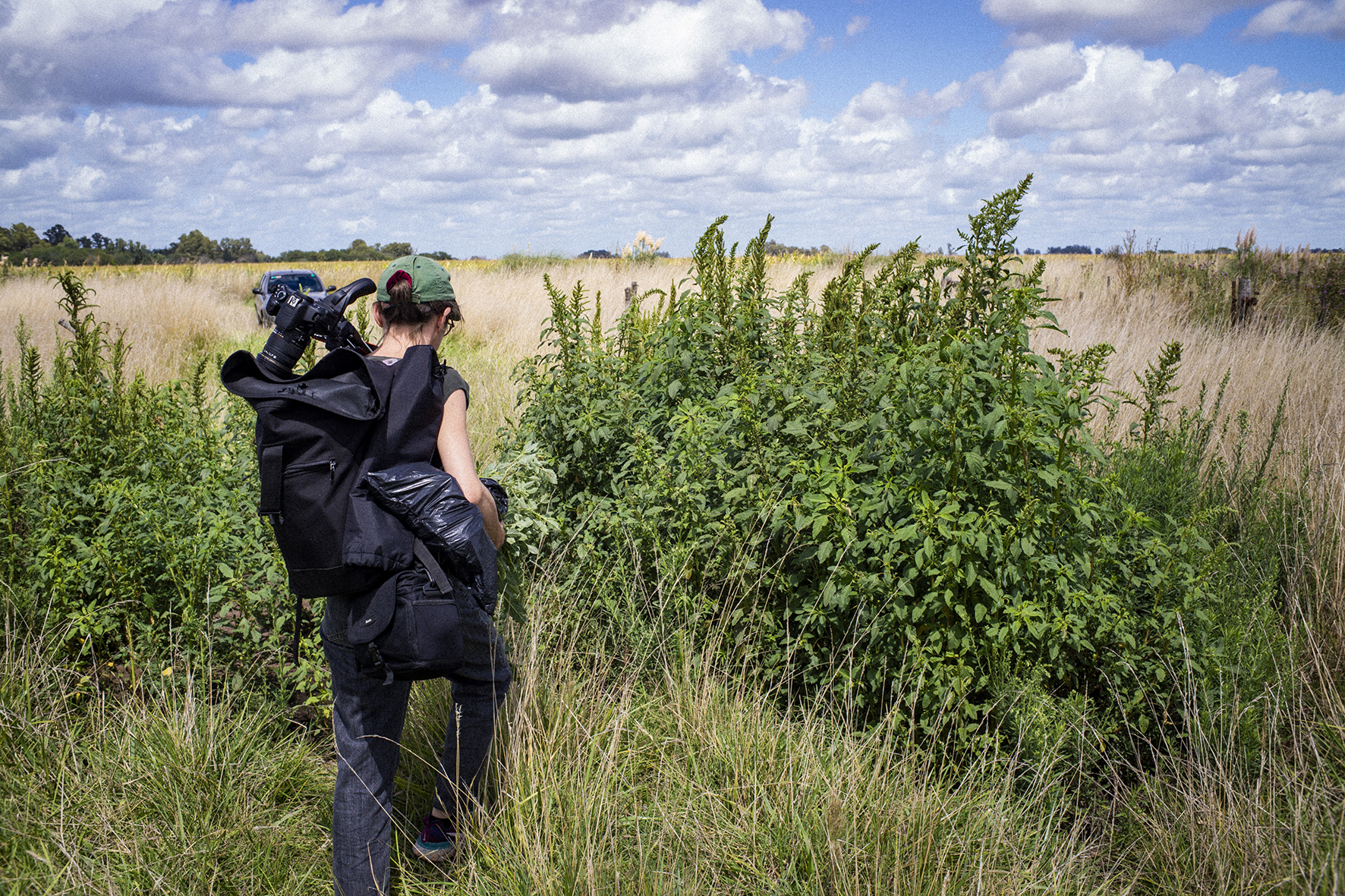
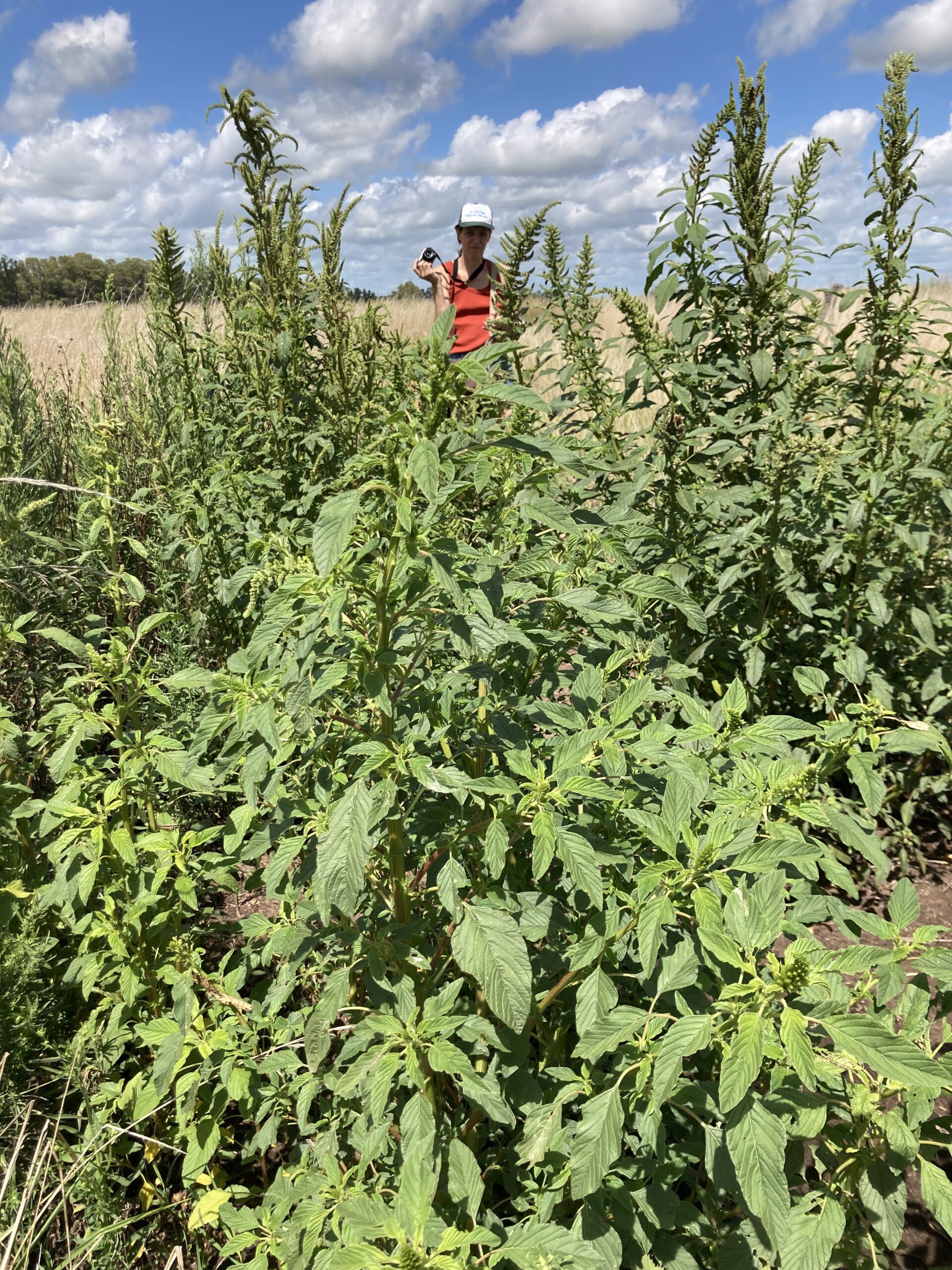
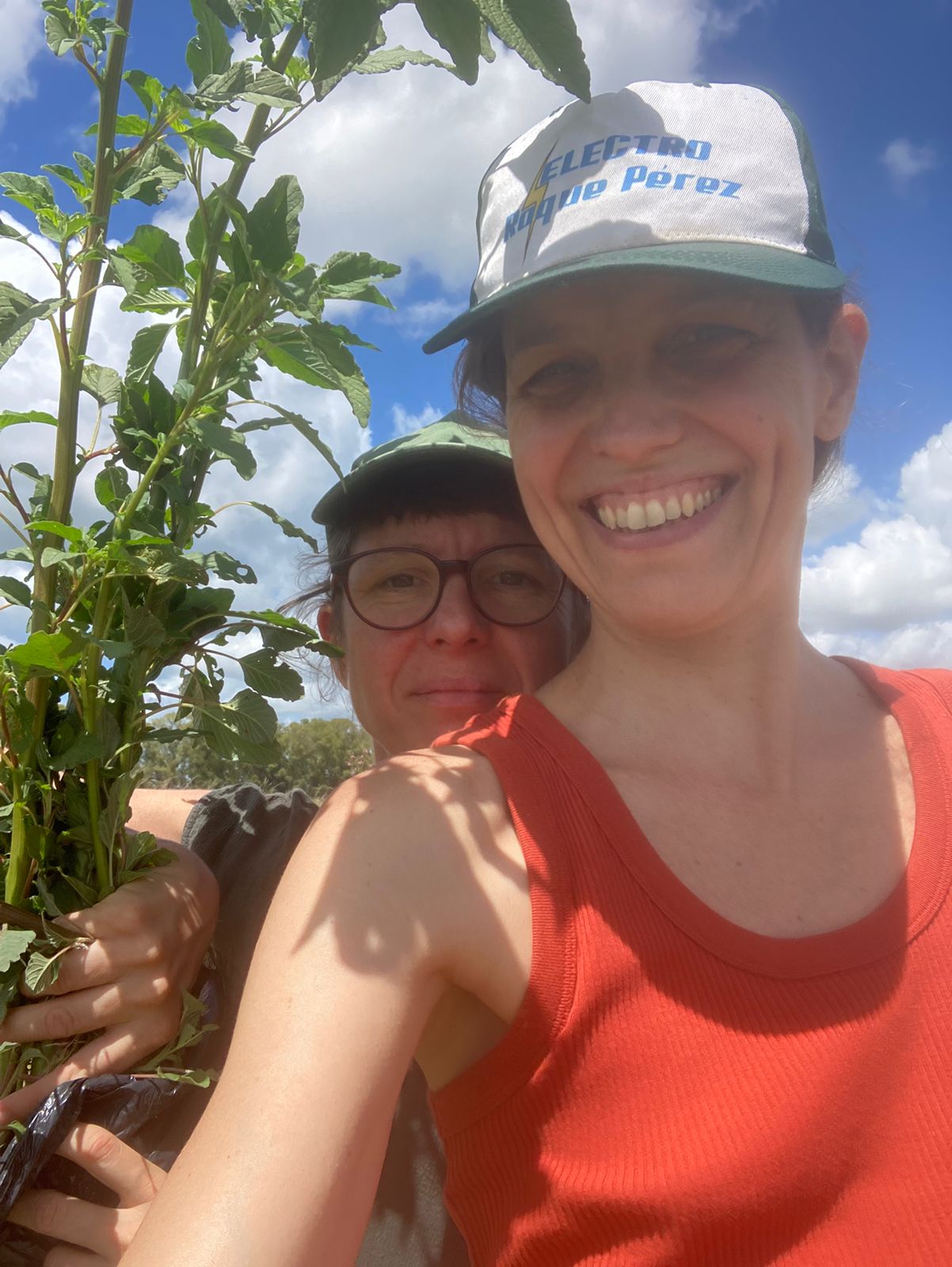
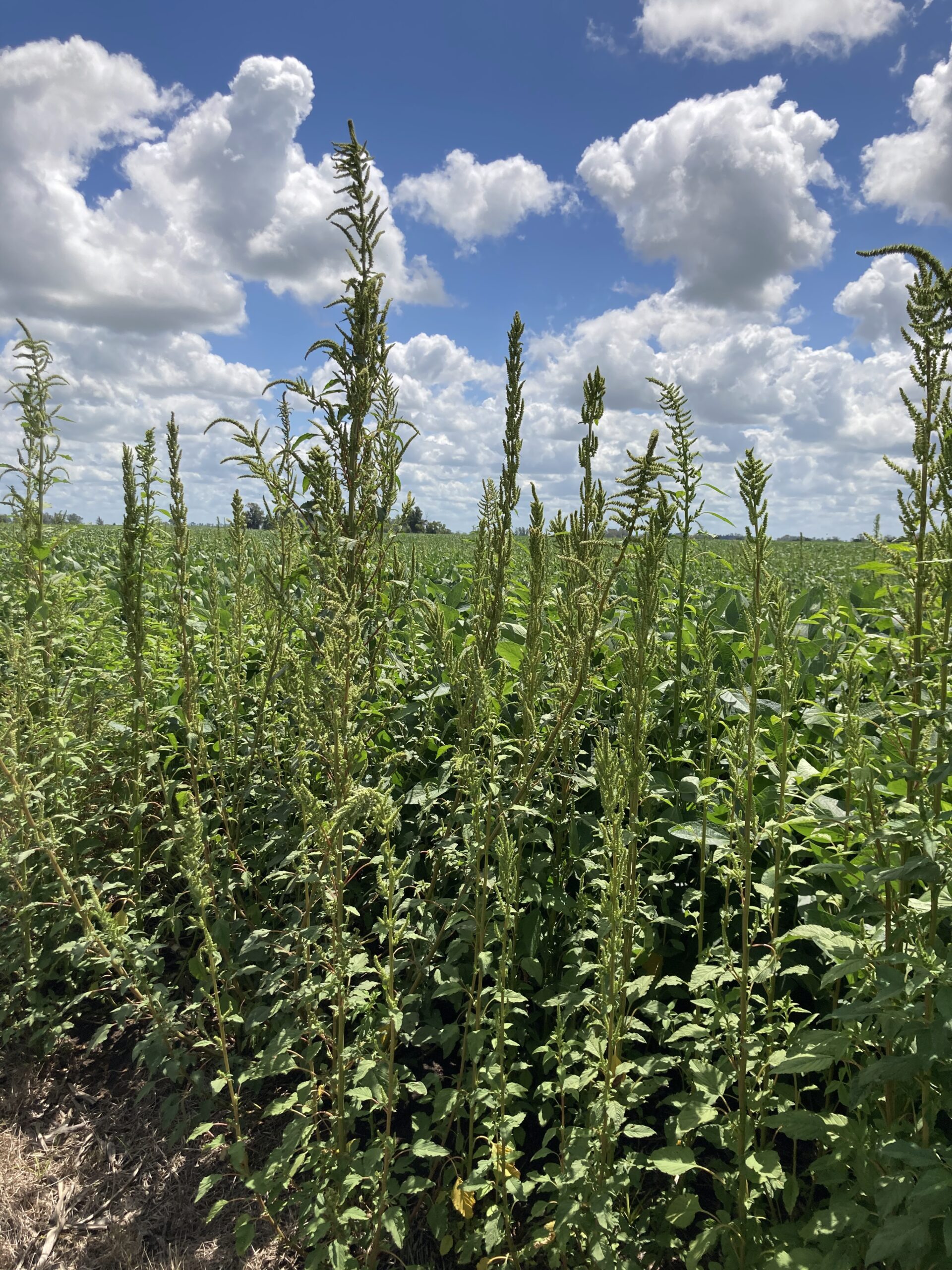
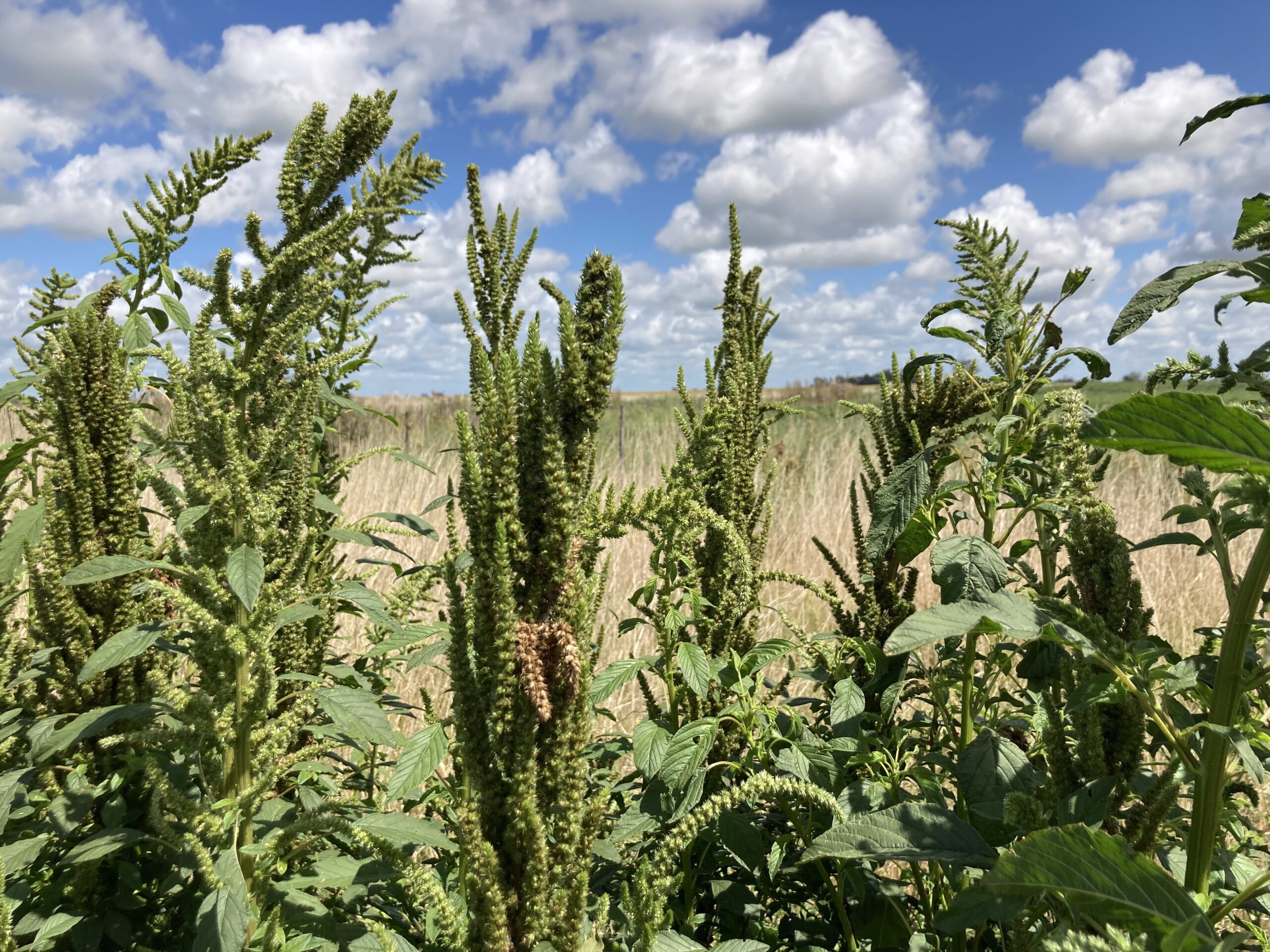
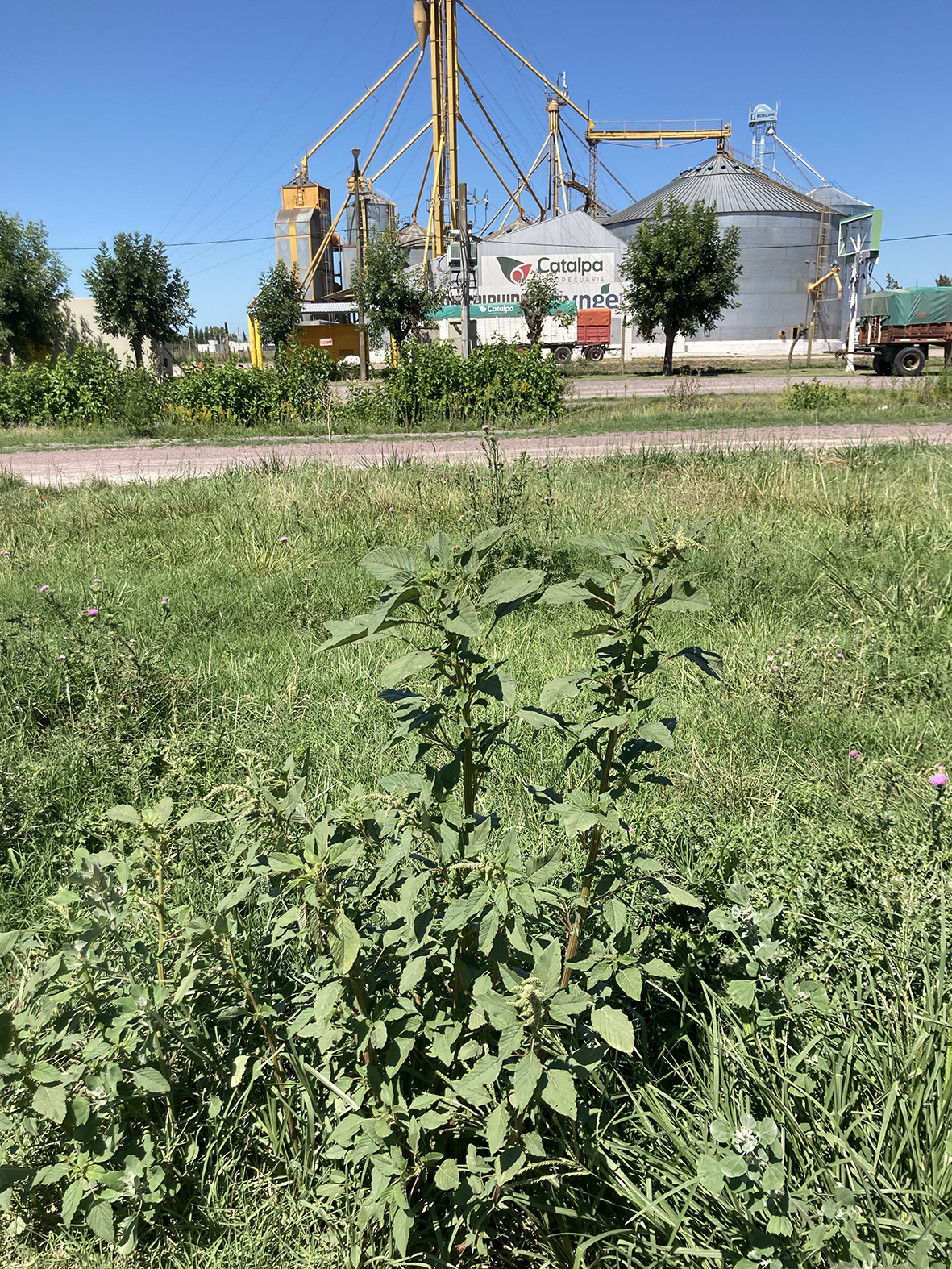
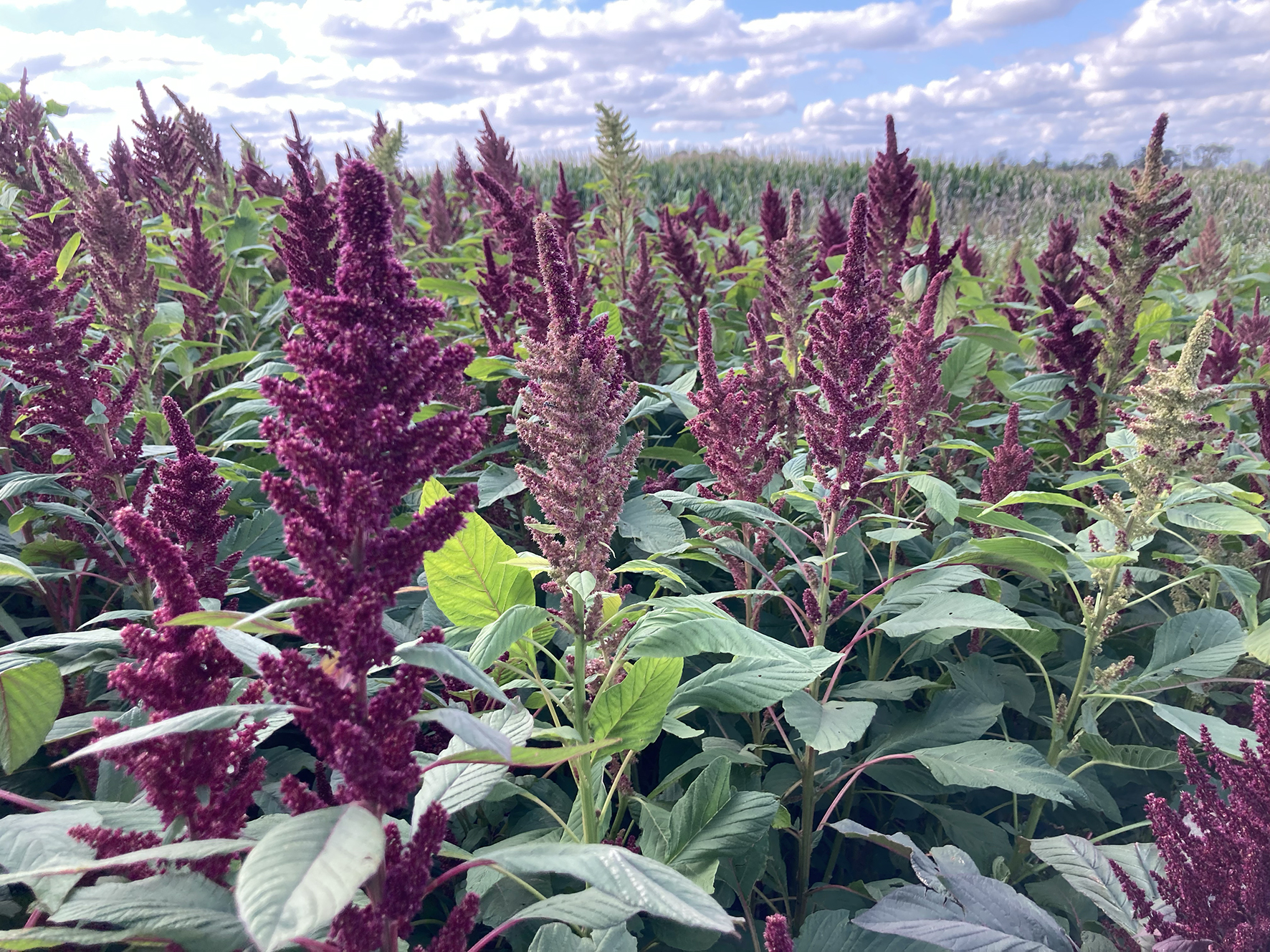
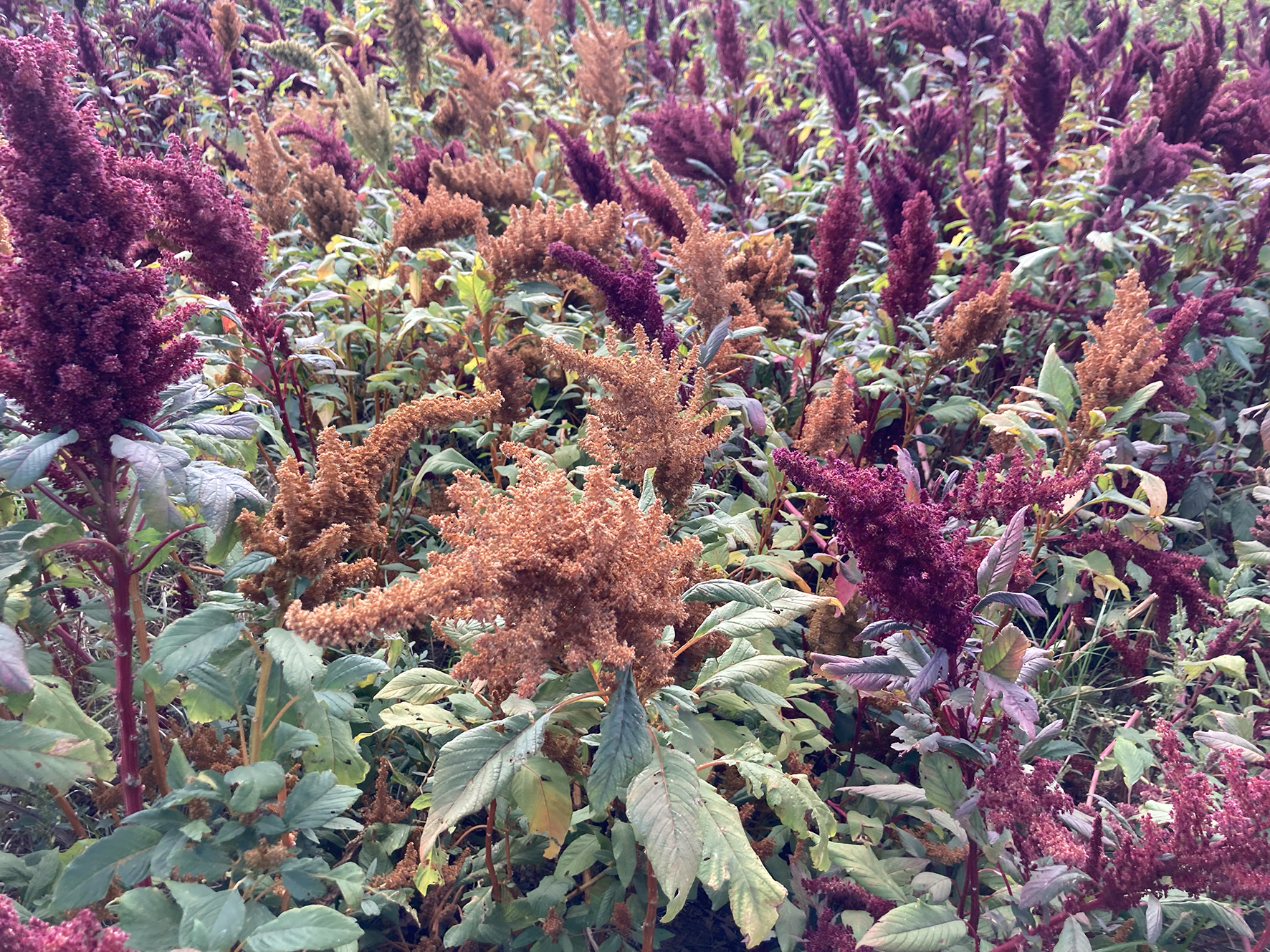


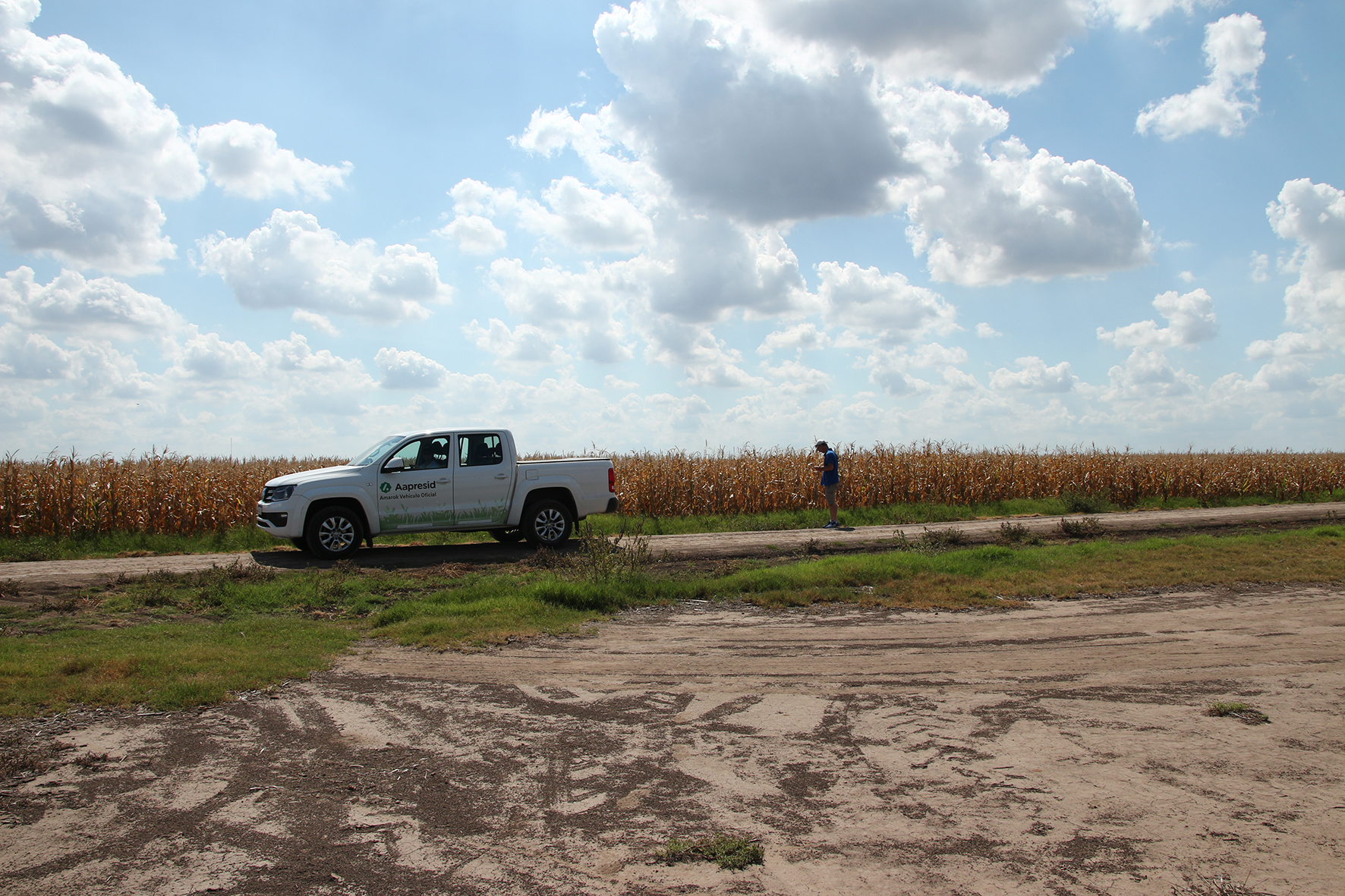
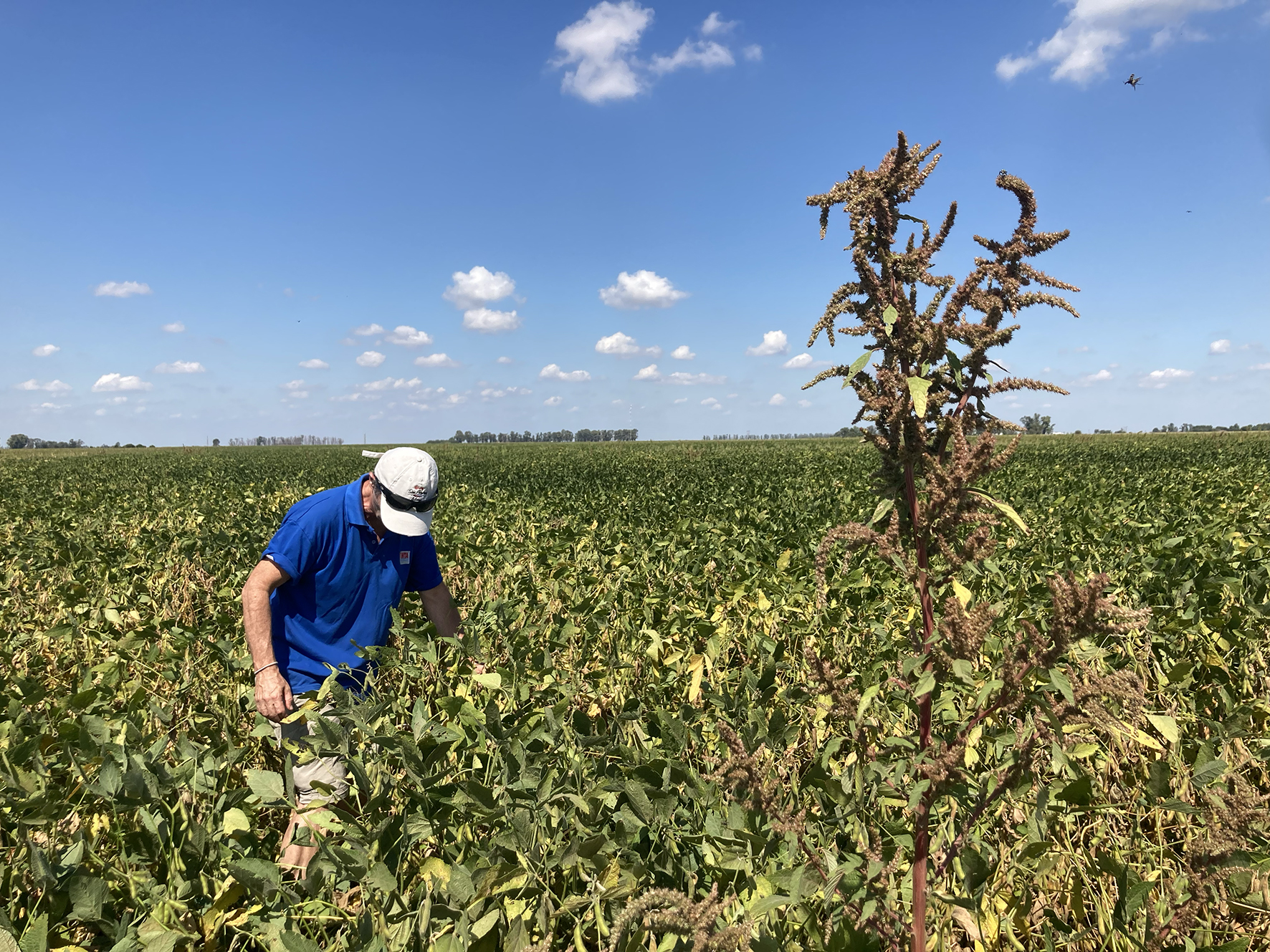

Monoculture GM soybean fields, Bolívar:
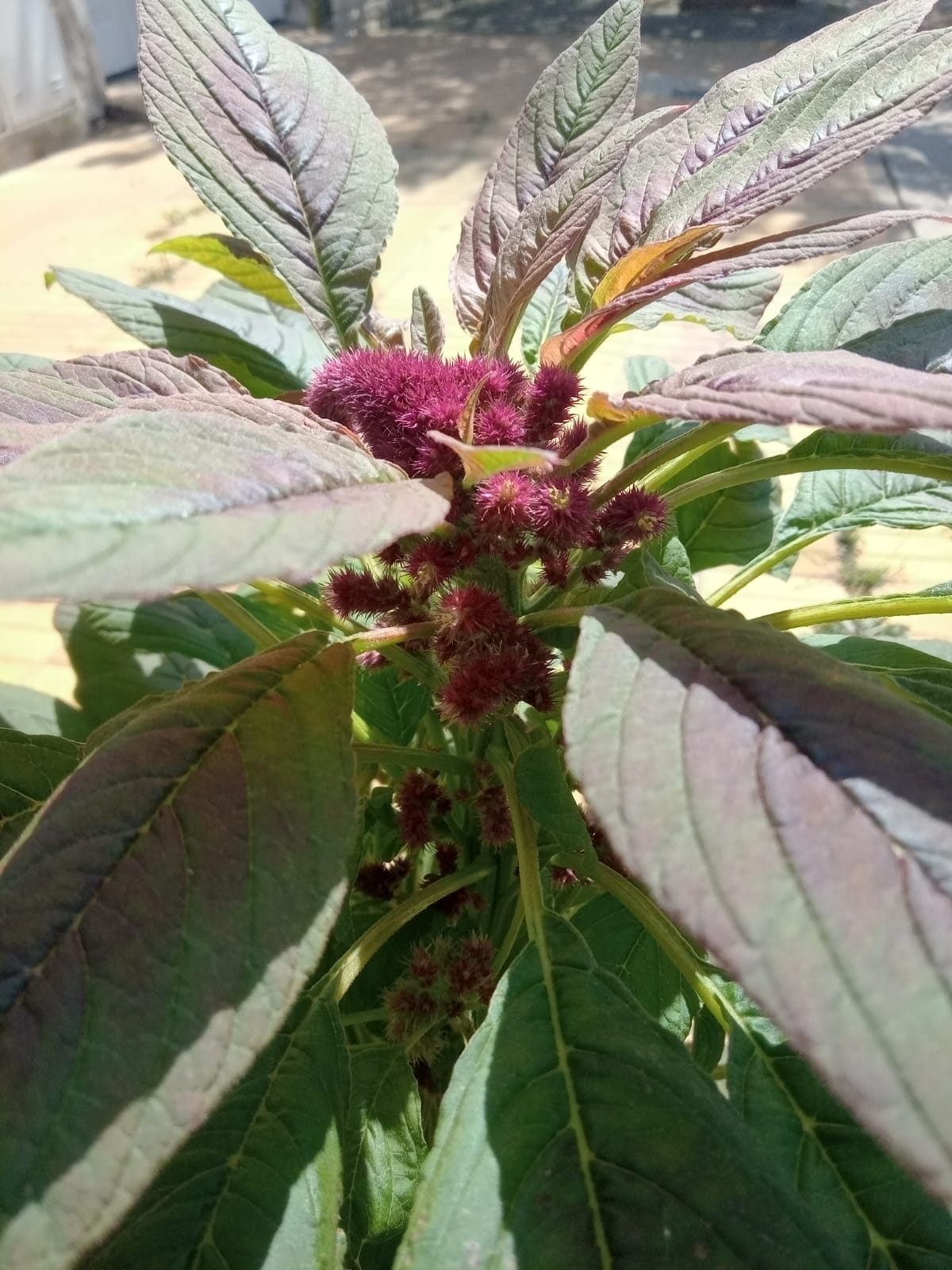
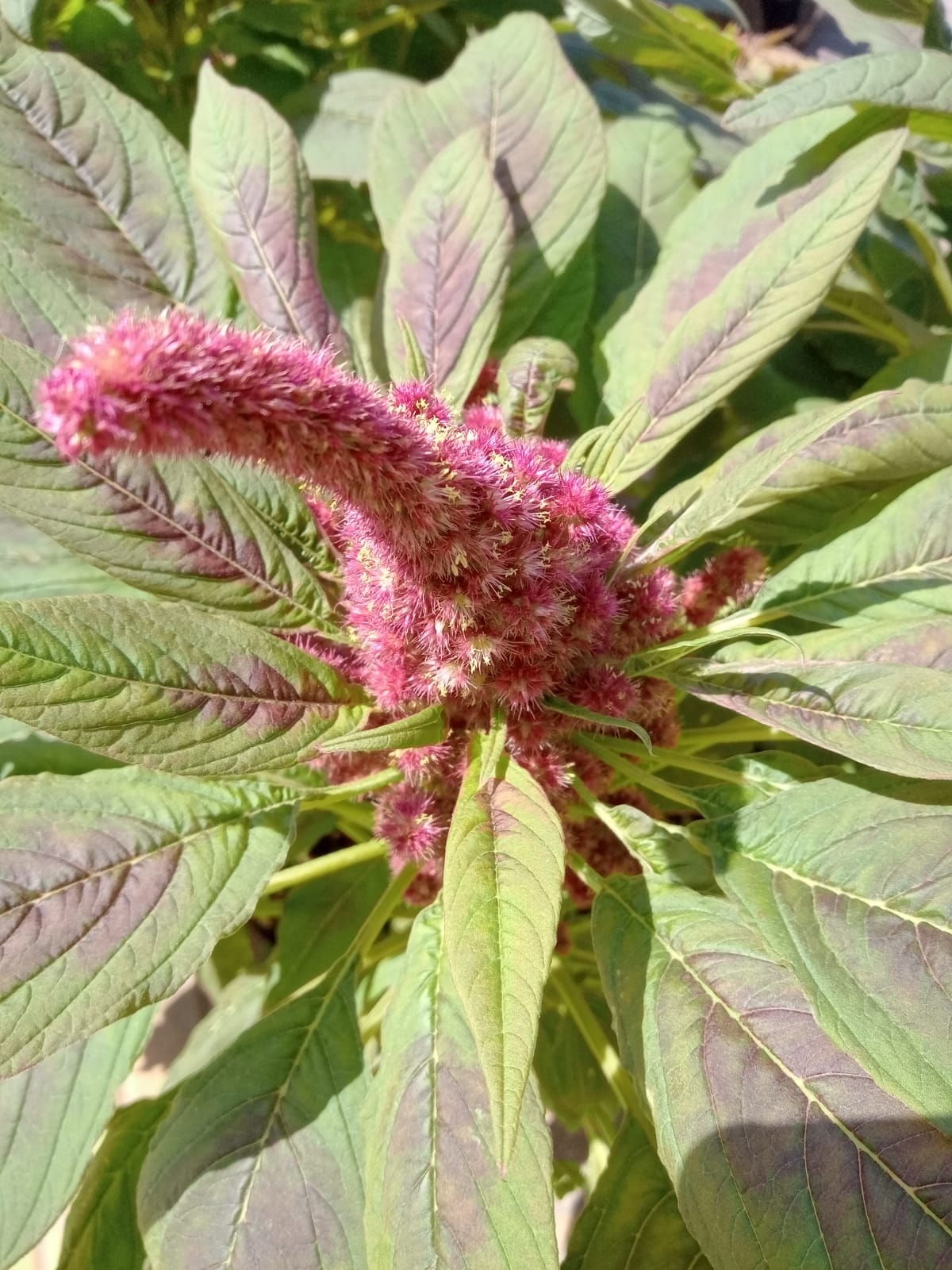
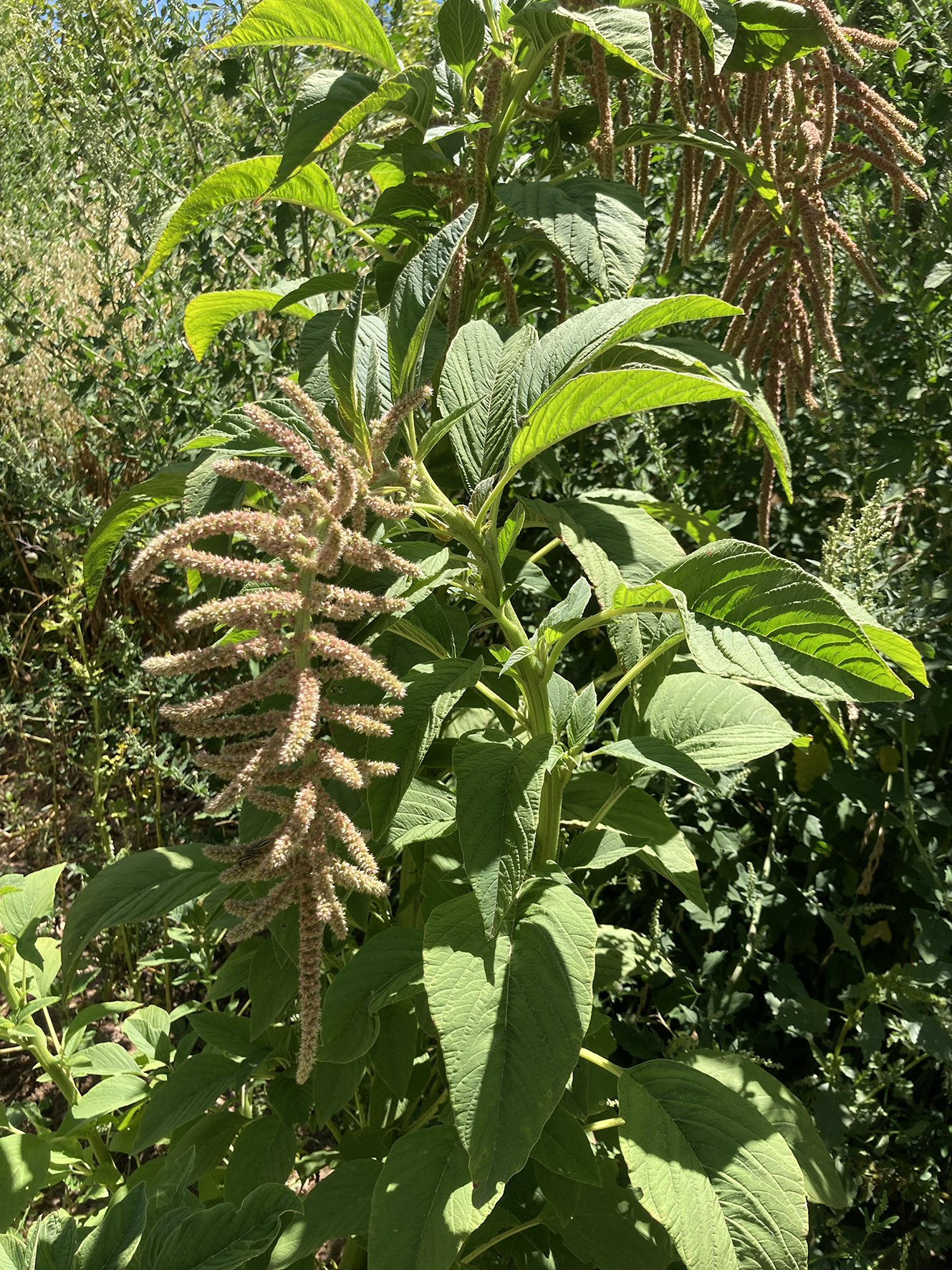
The first soybean field I visited belongs to a close friend who, although critical of the transgenic model, rents it to a soybean producer and partially relies on the rent for income. Because of her, I was able to return to that field several times over the years, stop, observe, draw, and be surrounded by Amaranth, a resilient weed growing among the transgenic soybeans.
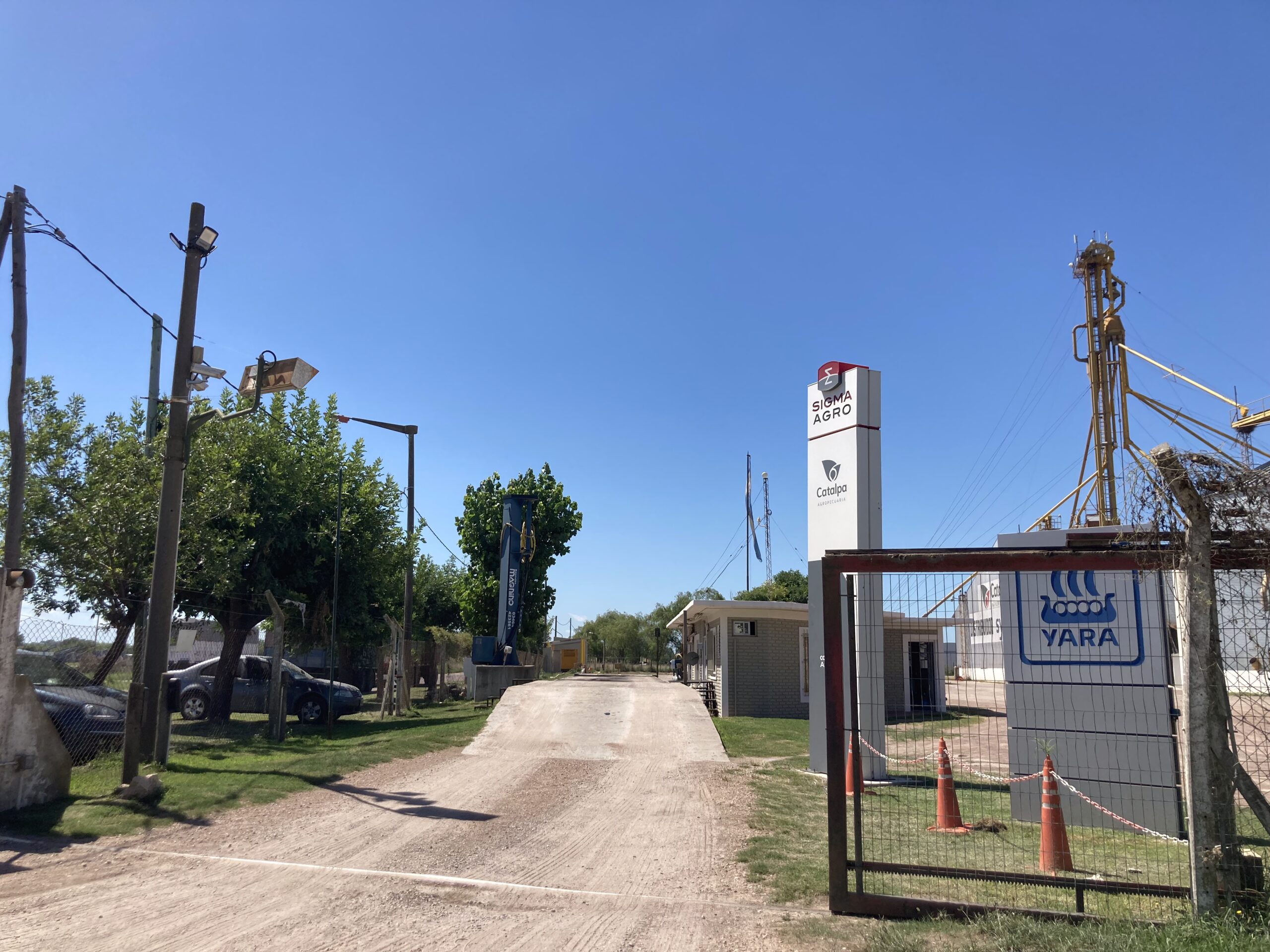
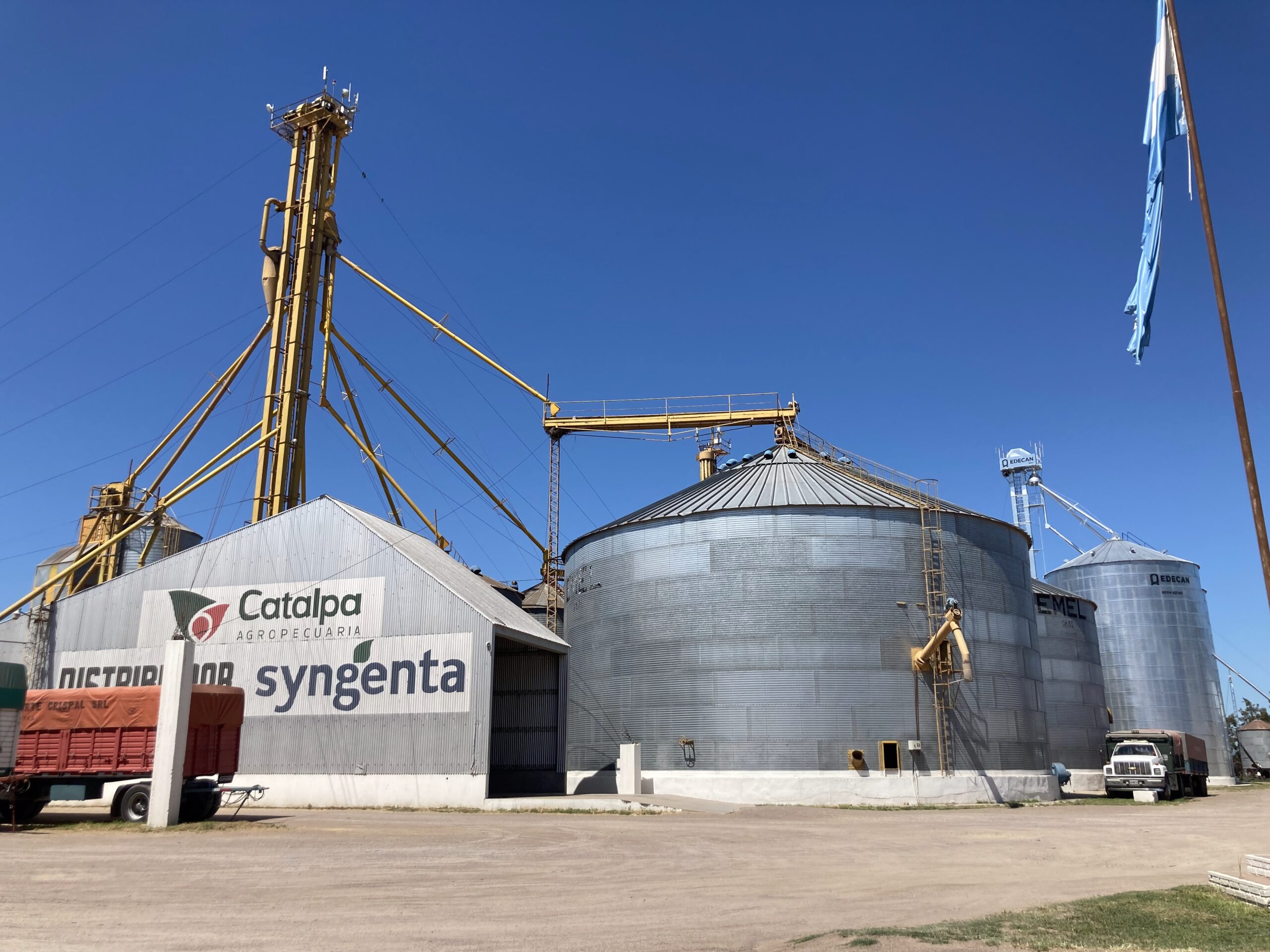
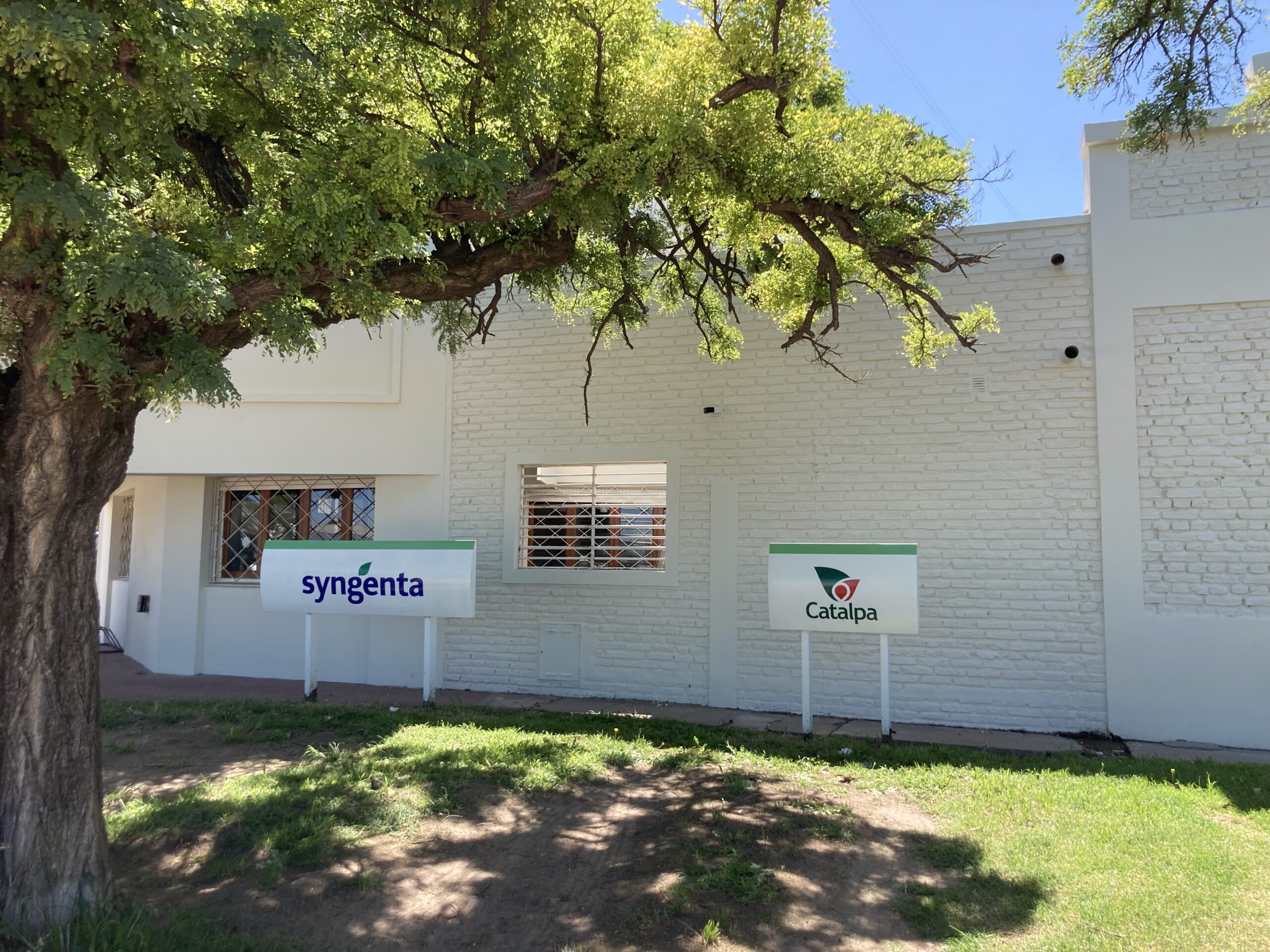
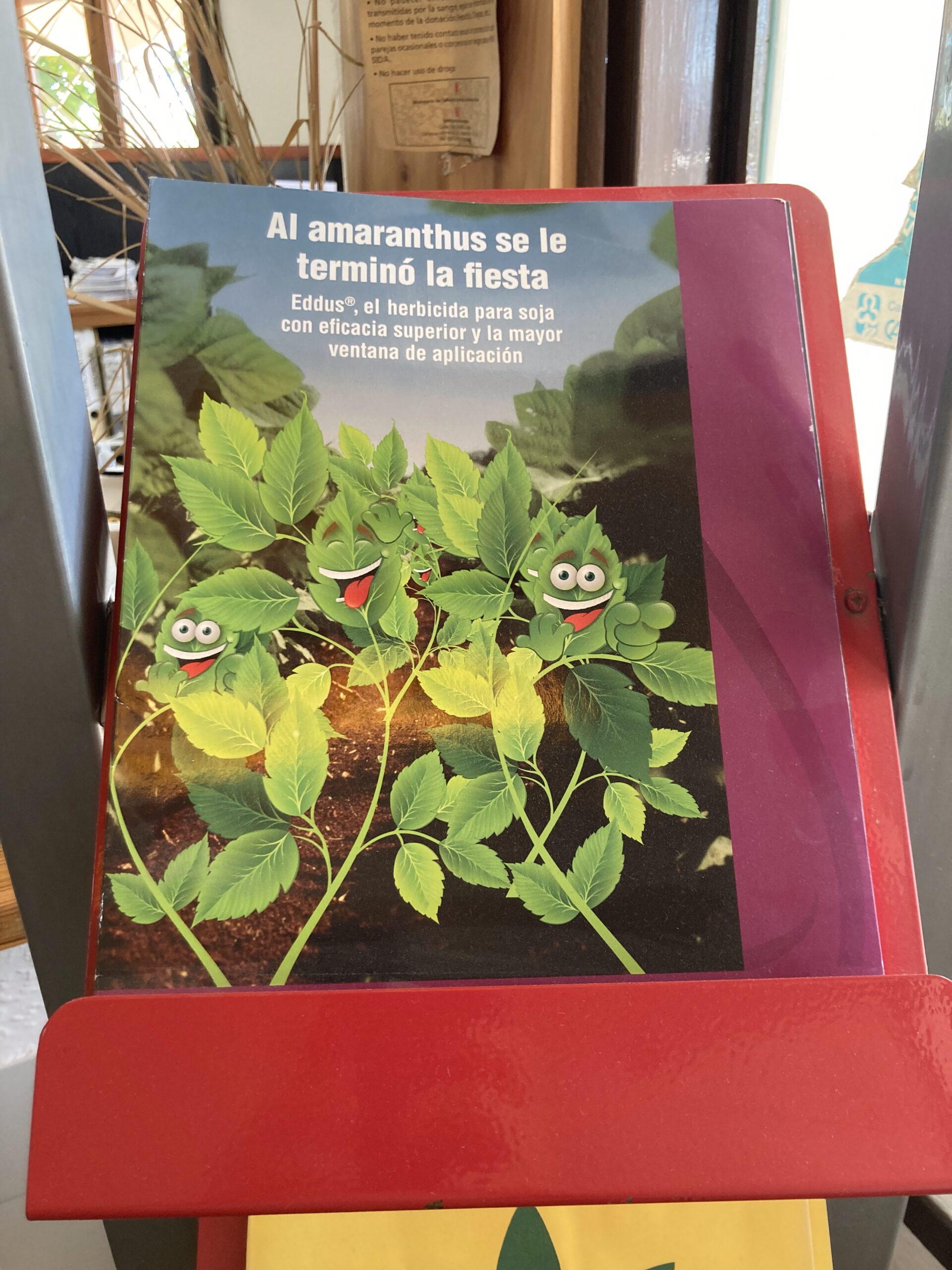
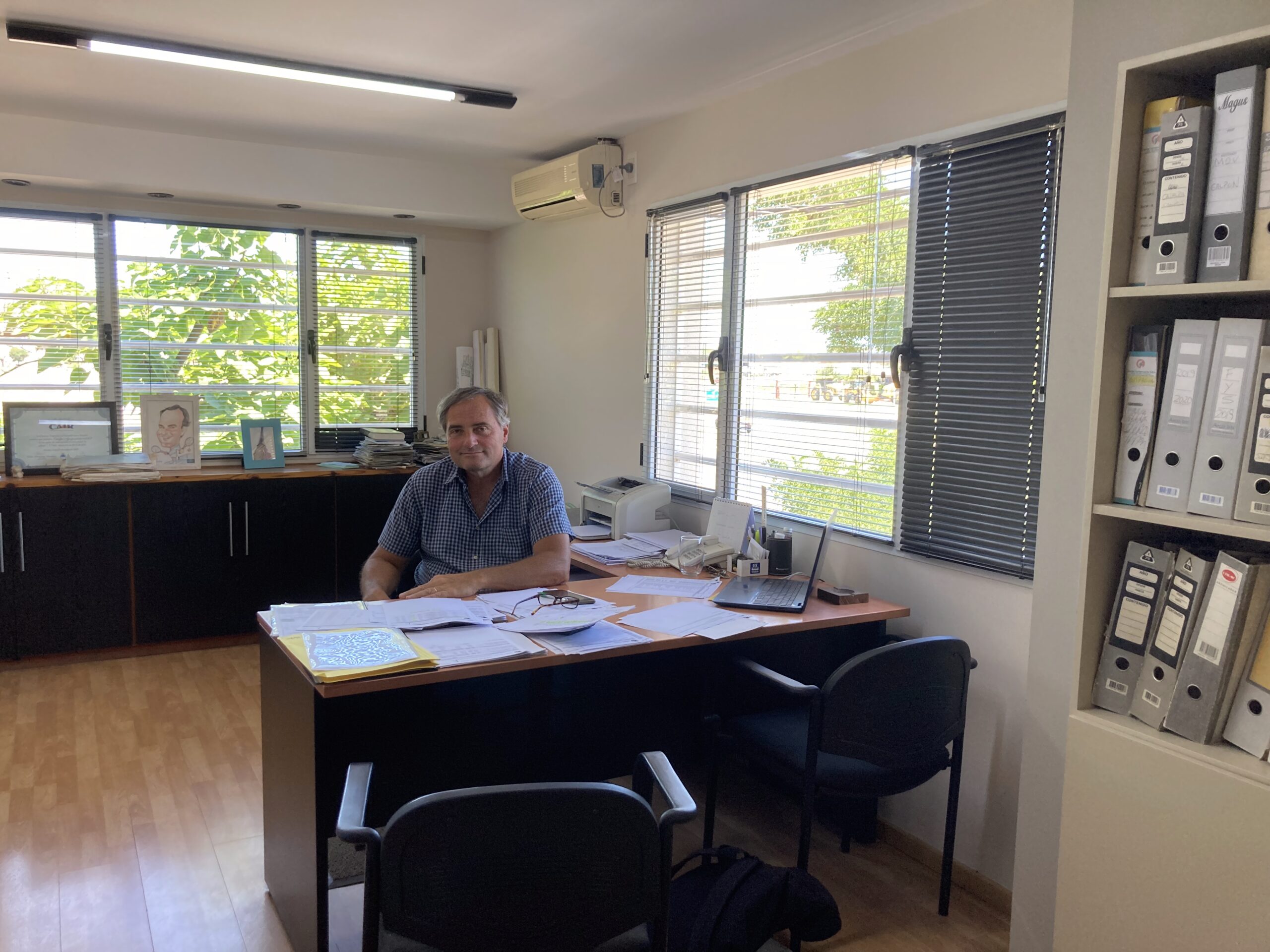
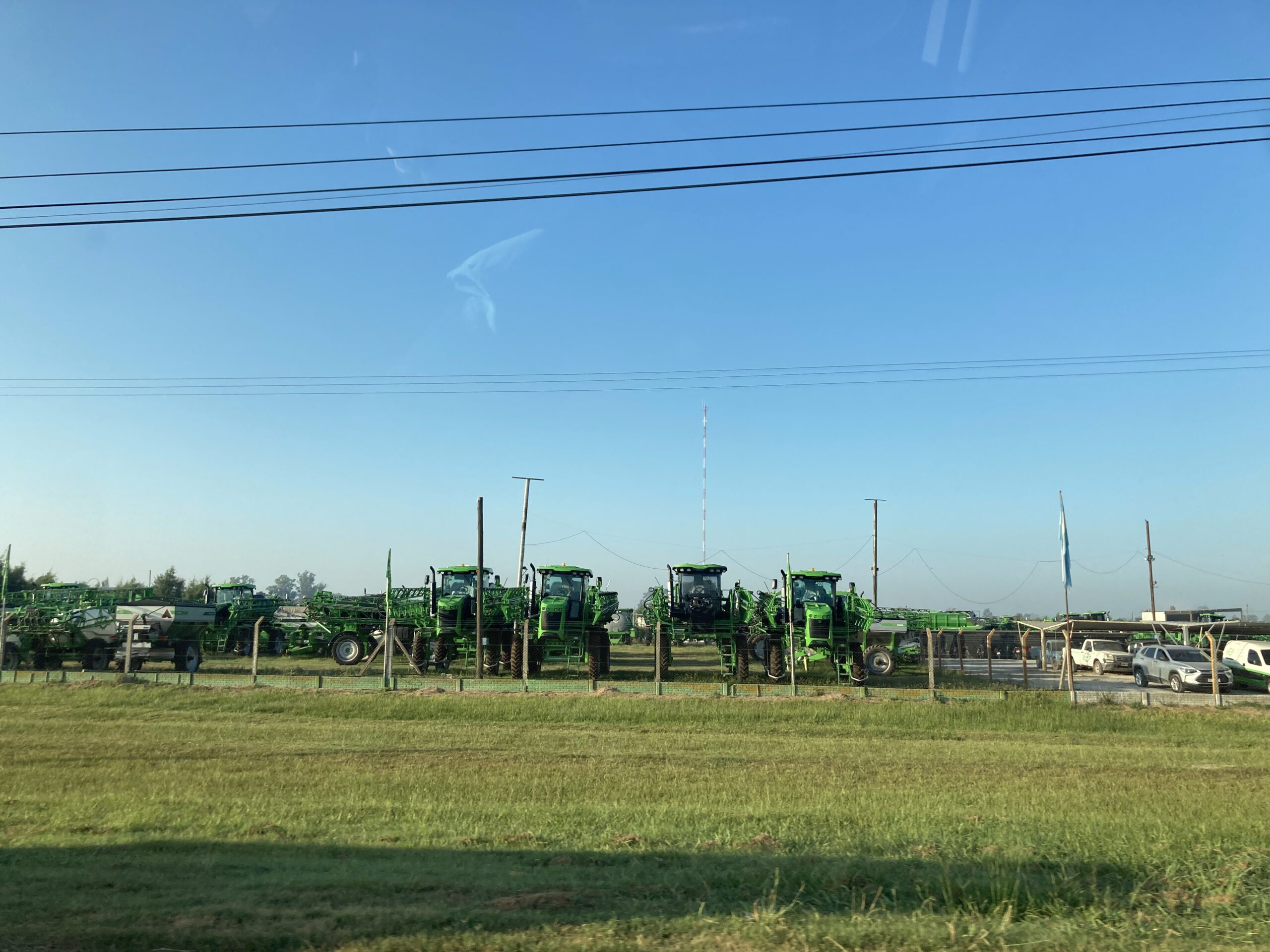
Walter Kroll, CO Catalpa agrocompany, Bolívar:
I found the company by chance while touring Bolívar on my first research trip. The company sells products for transgenic agriculture from national and multinational companies. They also advise producers.
Agroecologist Florencia Cioccini, Olavarria:
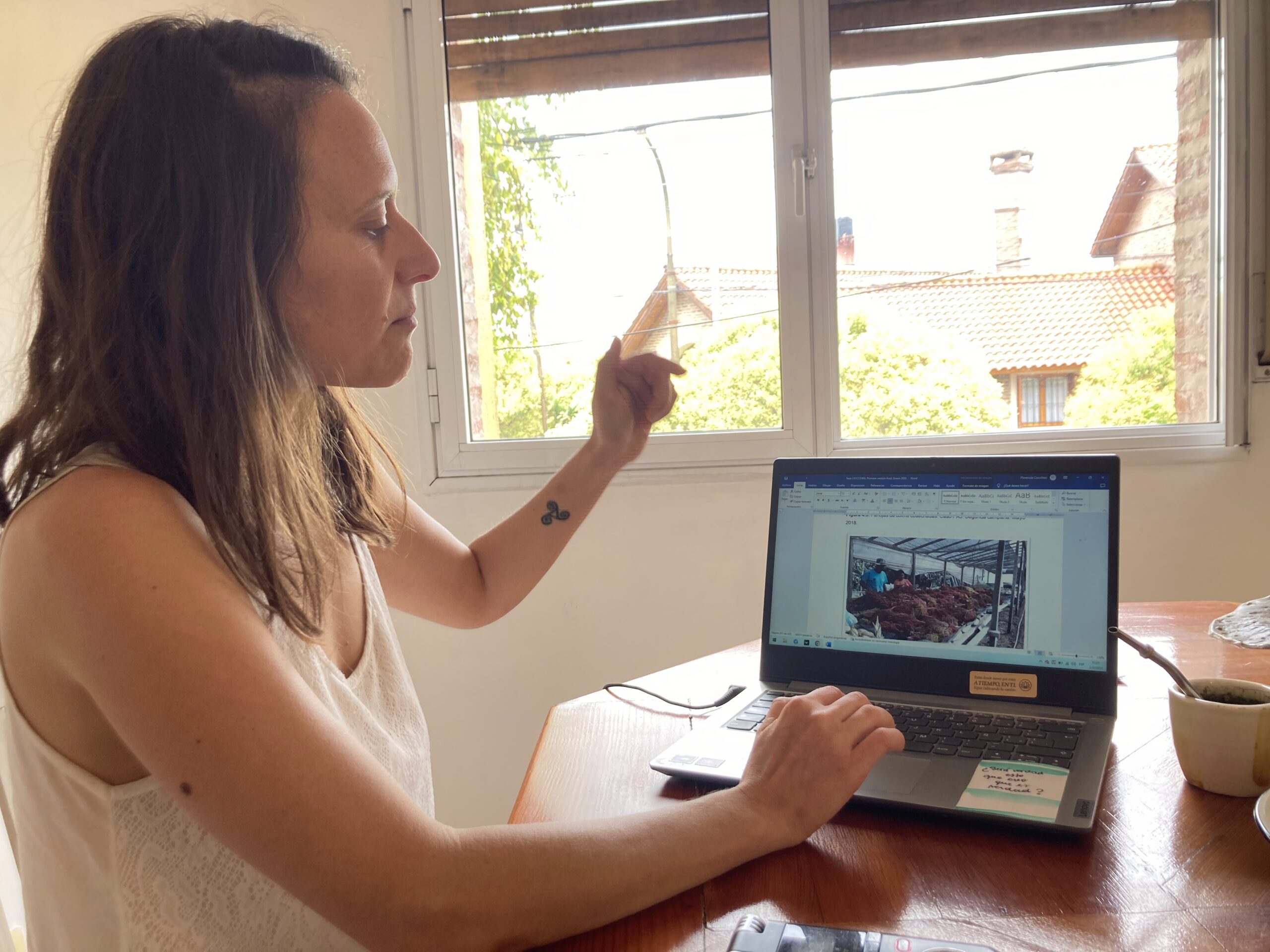
I came to Florencia thanks to her doctoral thesis advisor Santiago Sarandón. Florencia has worked with Amaranth in agroecology for over ten years, since her undergraduate studies, and completed her PhD on Amaranth at the University of La Plata. Her doctoral thesis analyzes the intention to incorporate Amaranth crops among small-scale farmers in the Platense Horticultural Belt in Buenos Aires from an agroecological perspective.
Guillermo Peiretti, Universidad de Río Cuarto:
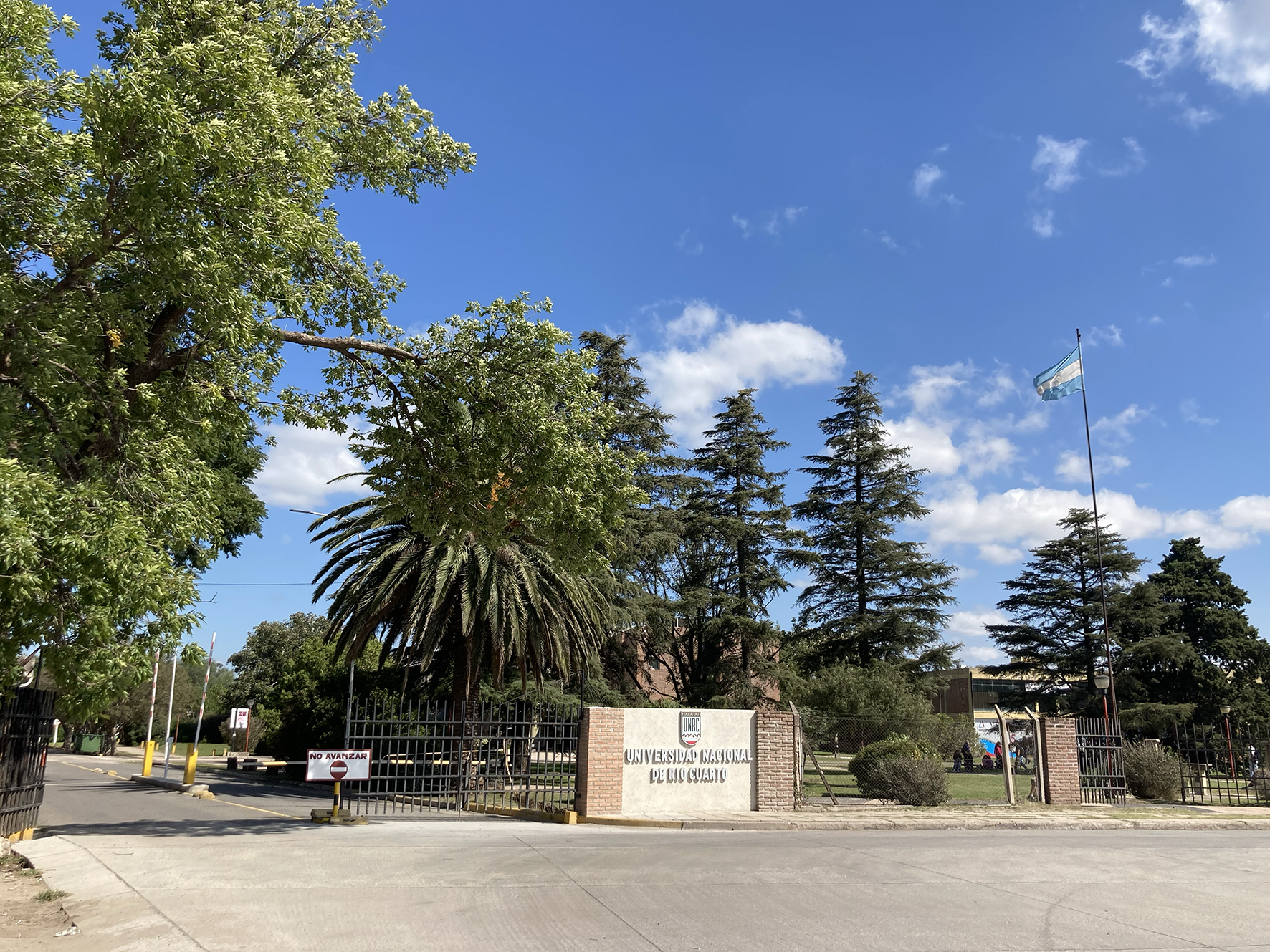
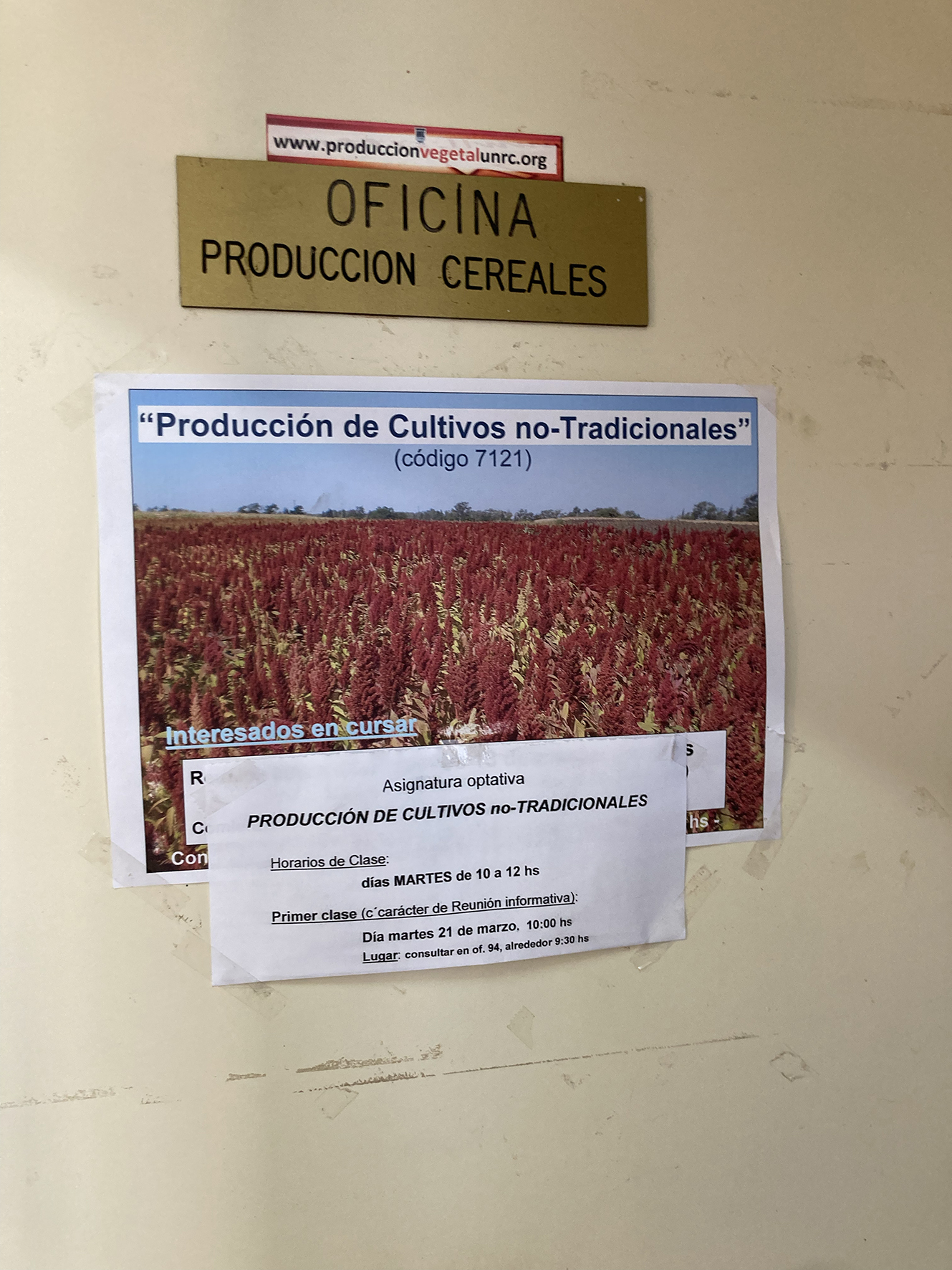
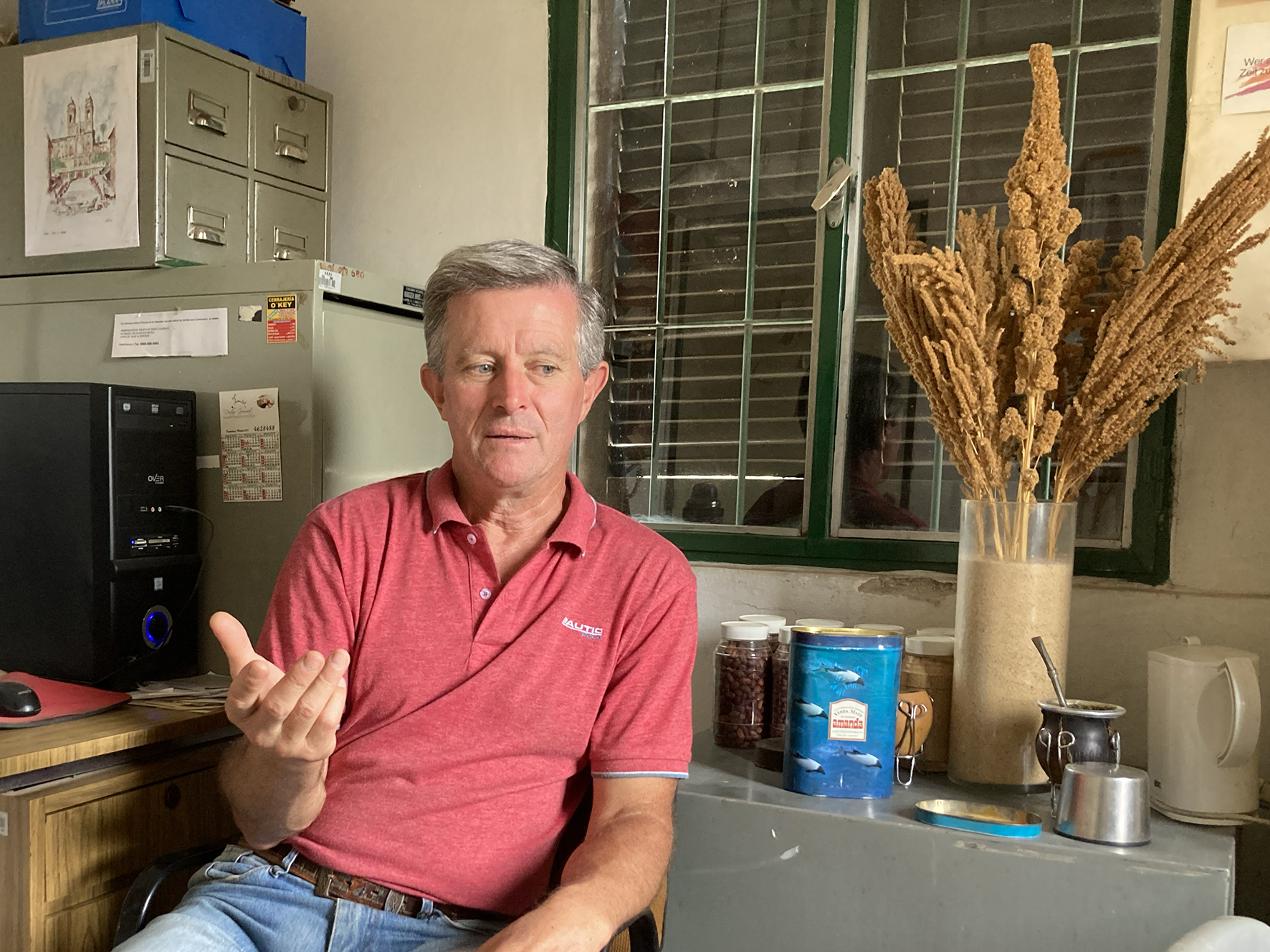
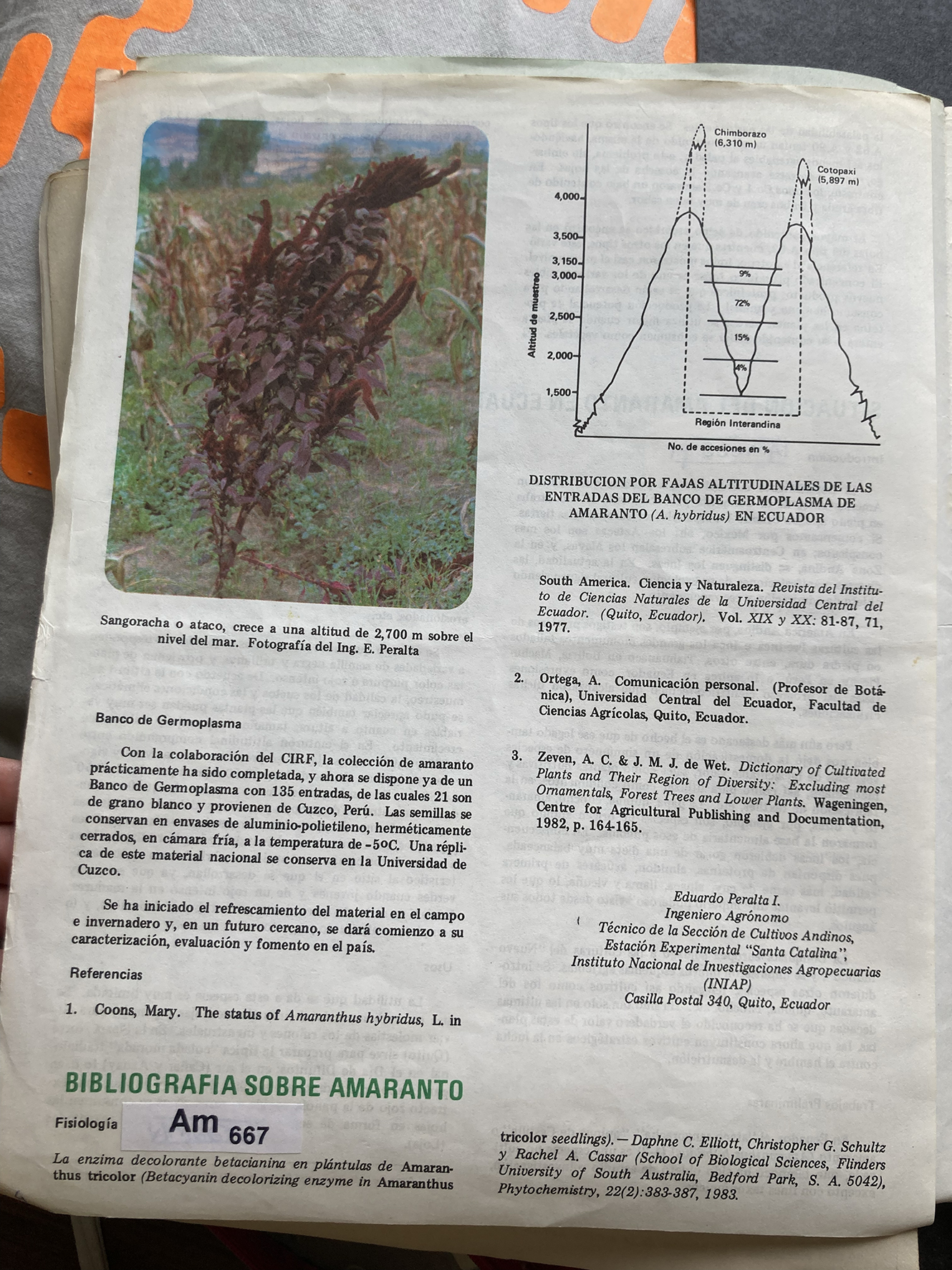
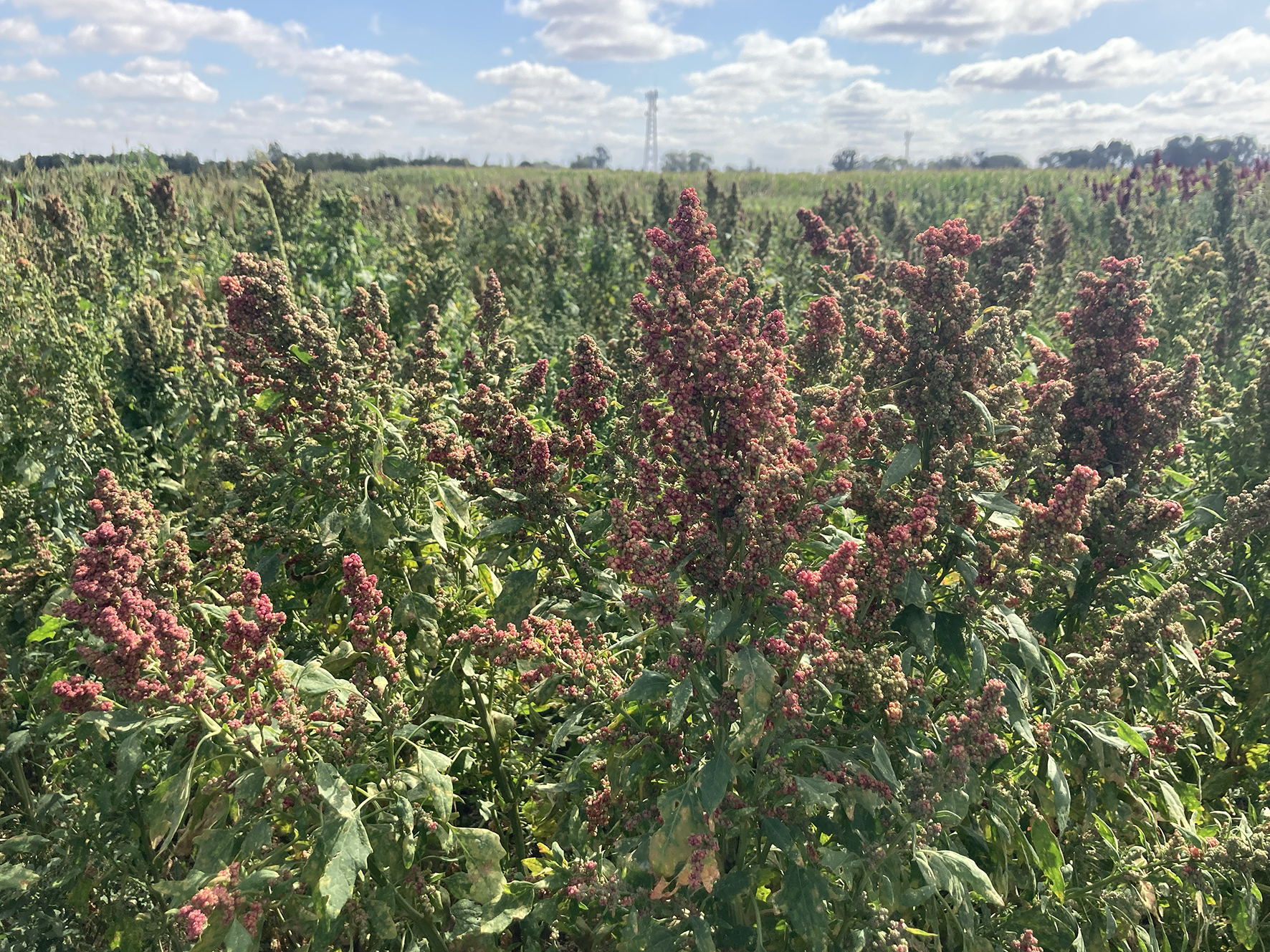
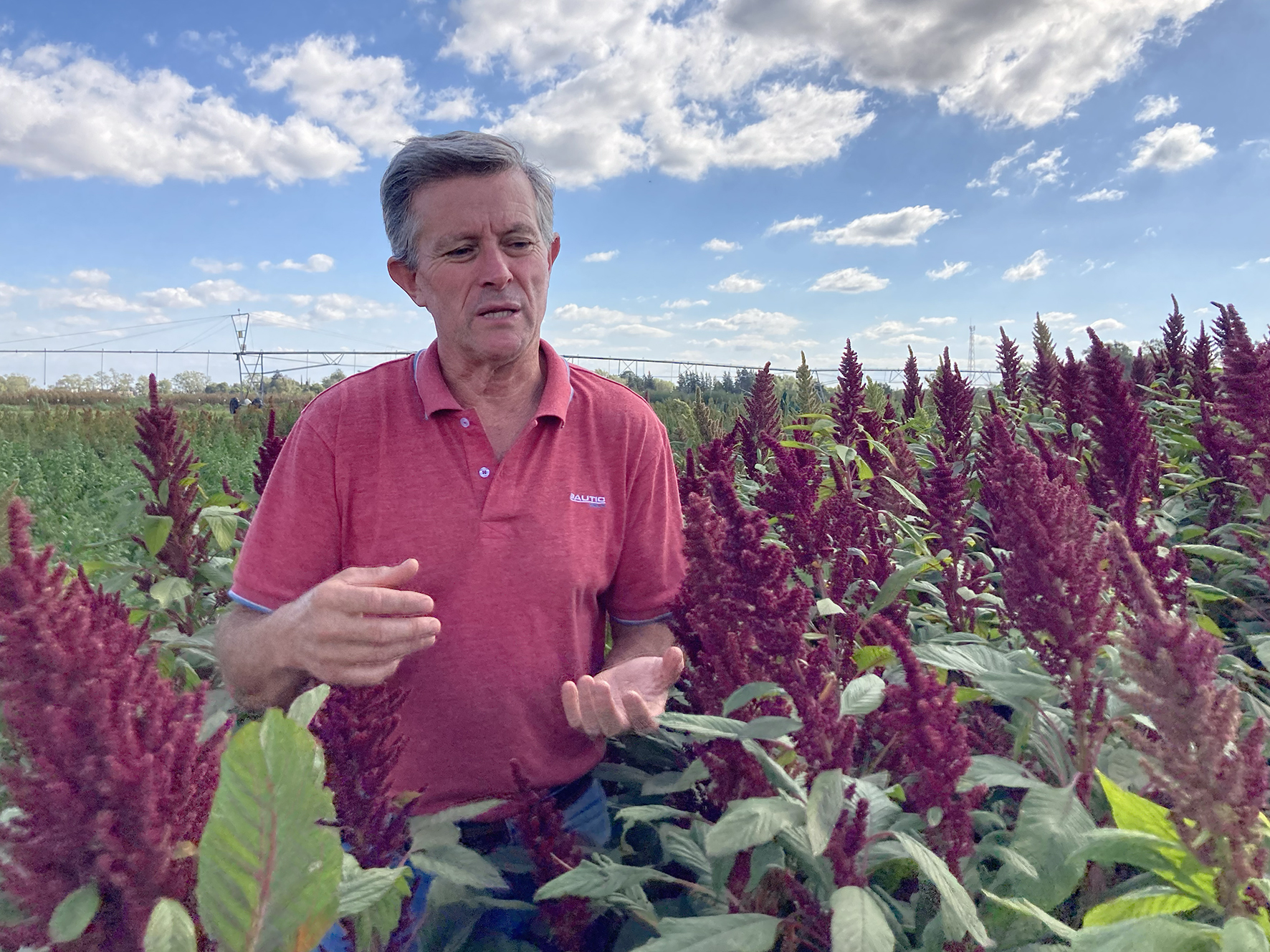
Professor Peiretti is one of the most important researchers on Amaranth-cultivated species. Not only does he study and analyze their biological and agronomic characteristics, but he also reproduces seeds, which are later provided to some of the country's Amaranth producers.
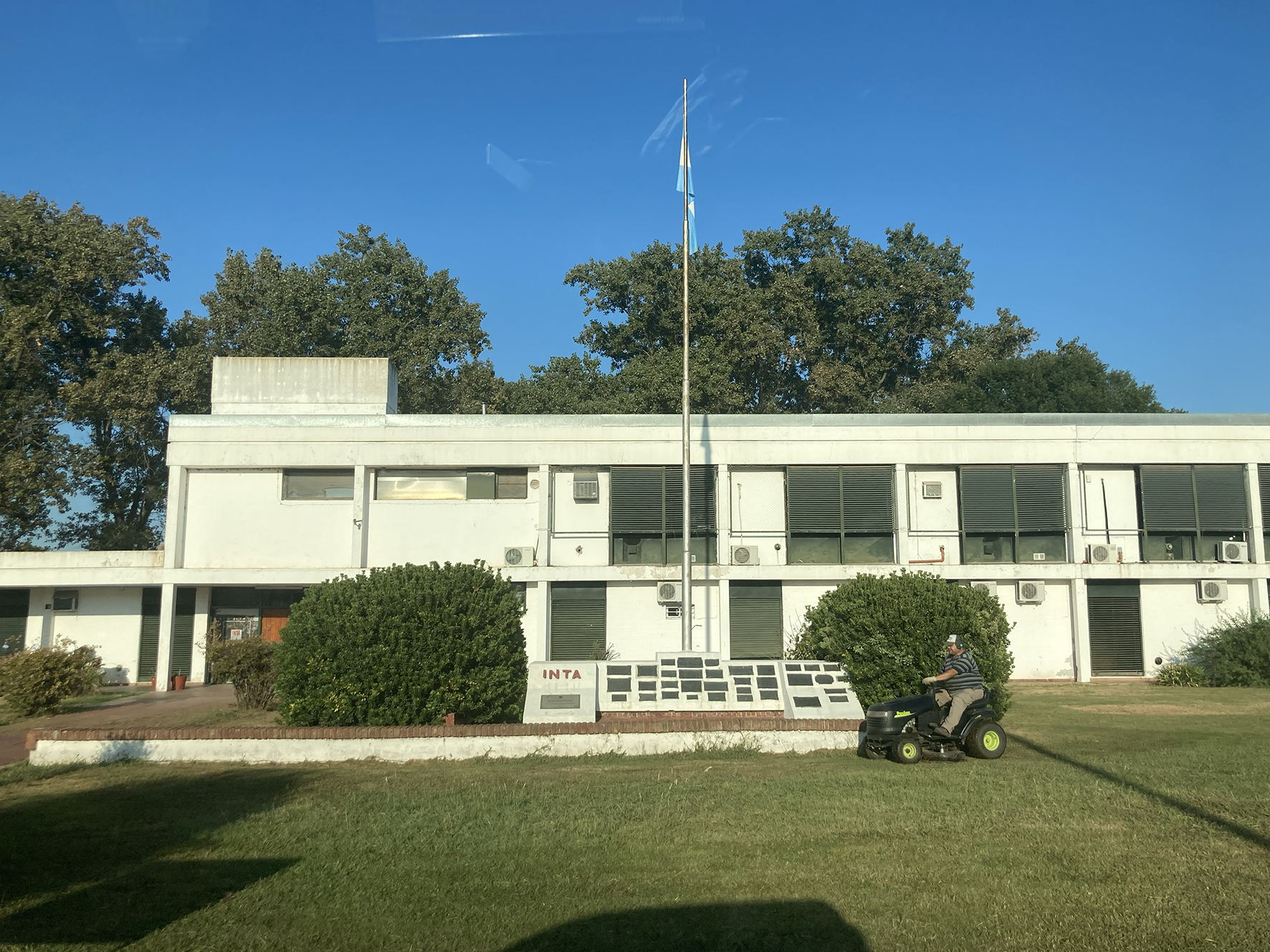
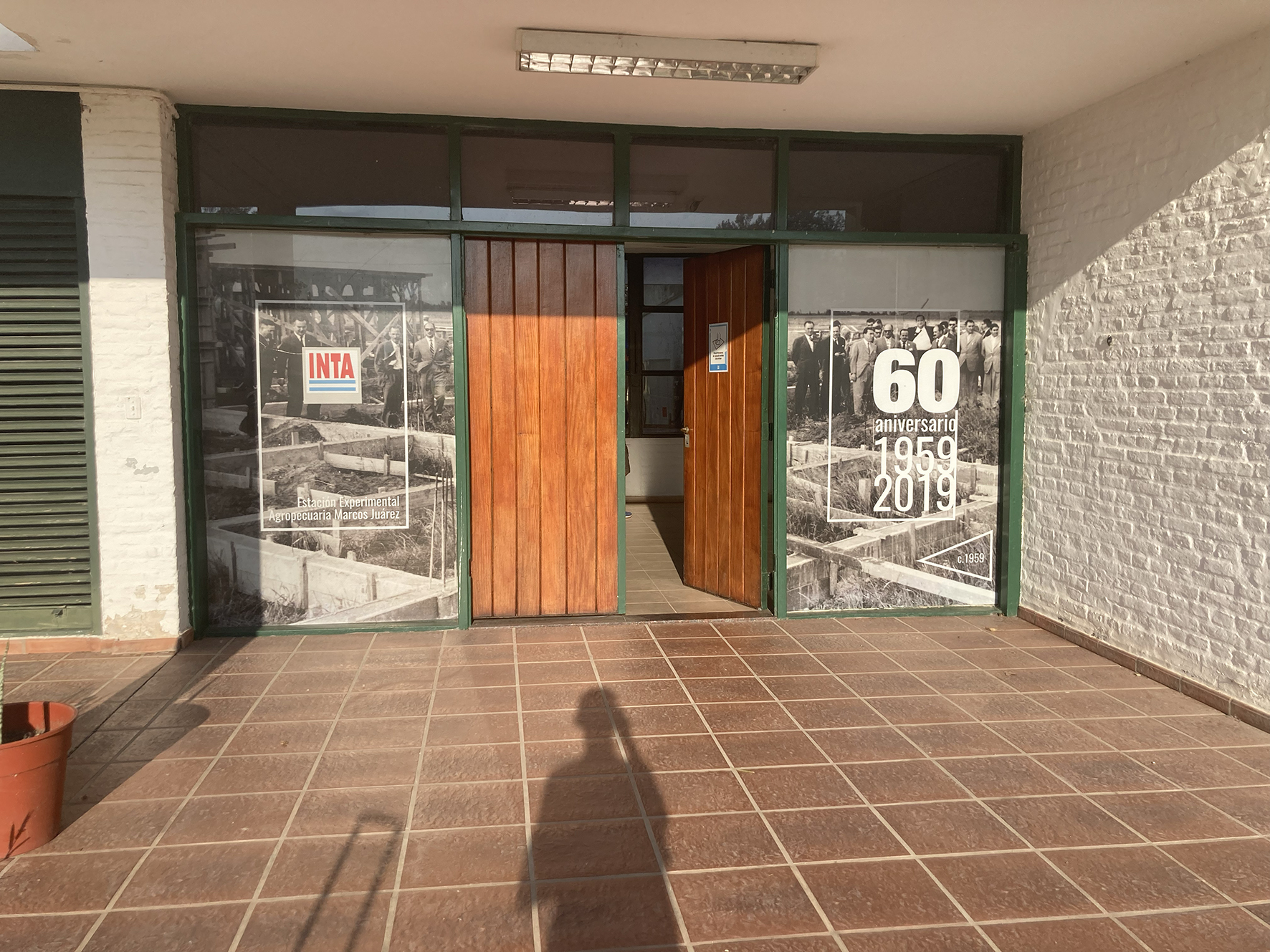
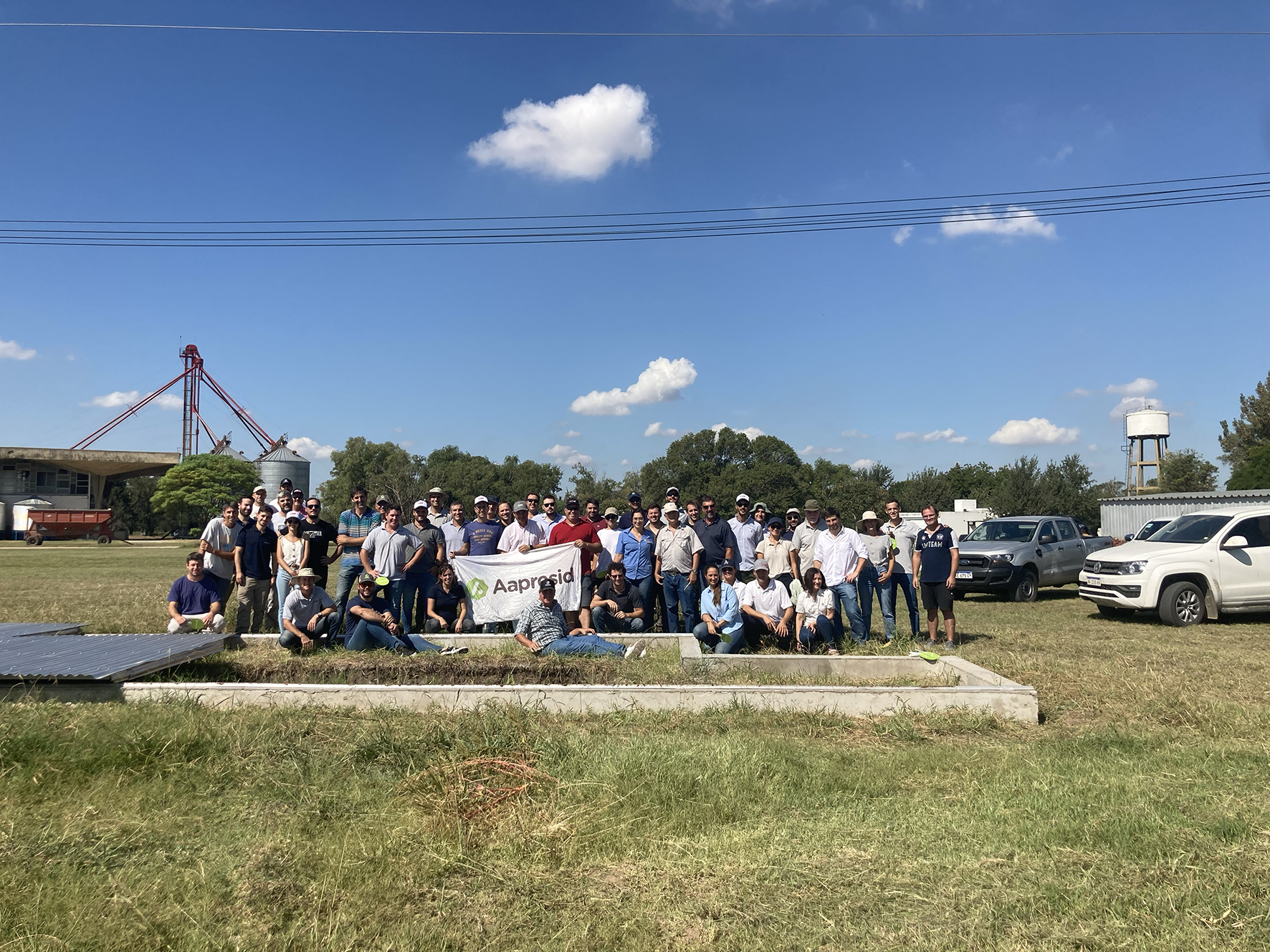
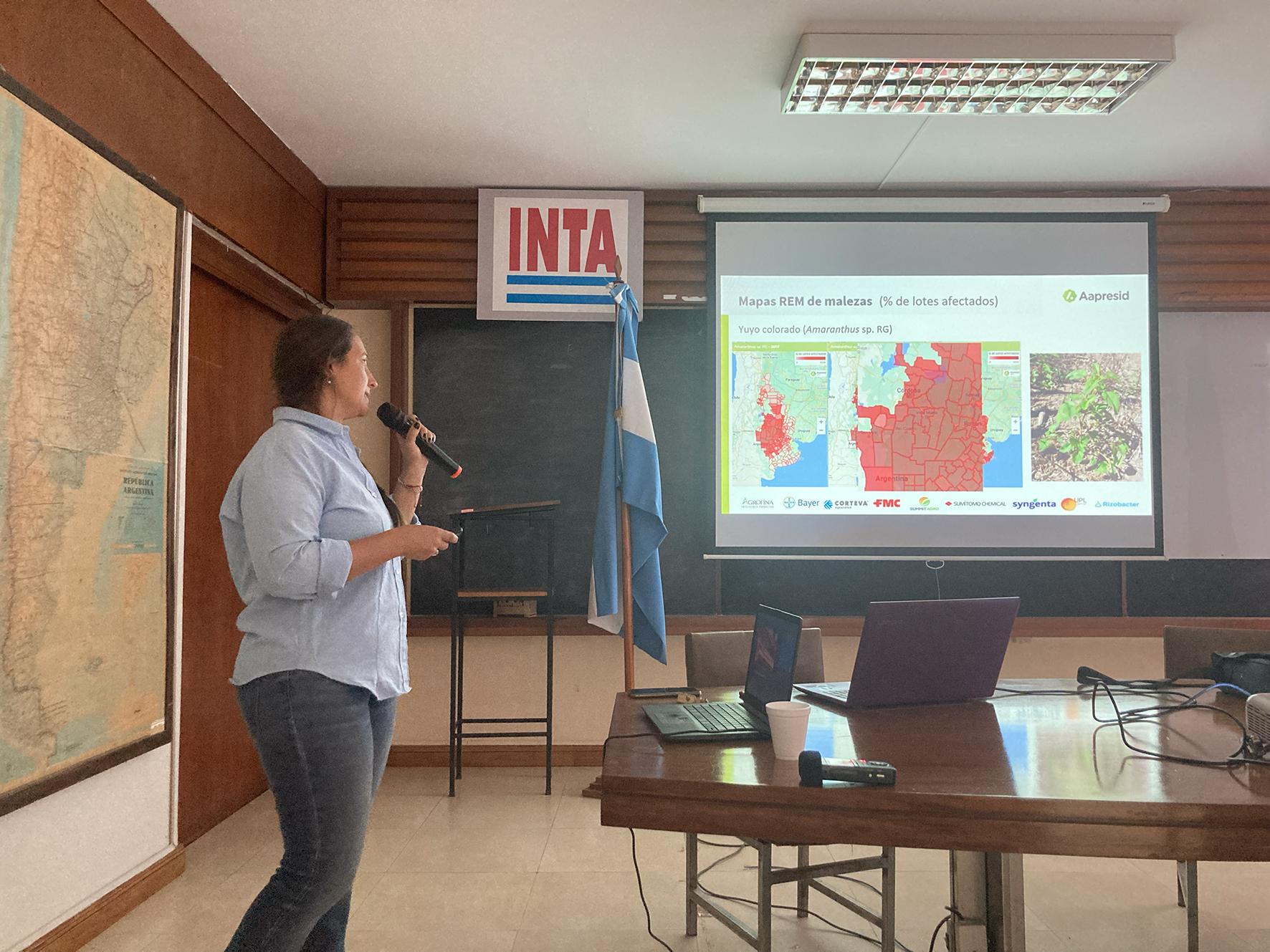
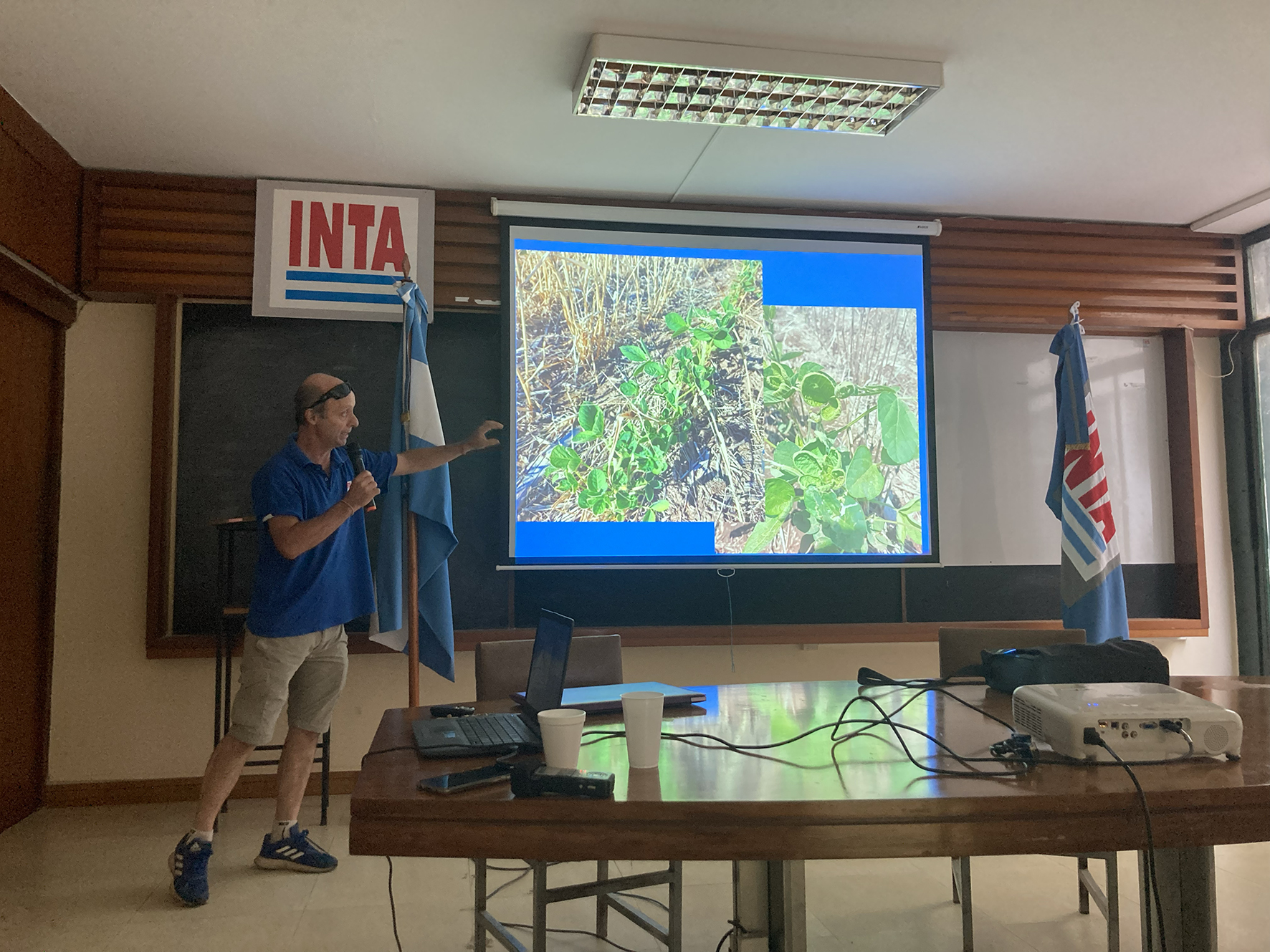
Aapresid’s regional meeting, IPAF, Marcos Juarez:
AAPRESID Asociación Argentina de Productores en Siembra Directa (Argentine Association of Direct Sowing Producers) is a central institution for implementing and promoting the transgenic model nationwide. Their sponsors include agribusiness multinationals such as Bayer, BASF, and Syngenta, as well as the Argentinian agrocorporation Los Grobo, as sponsors. The Association denies the environmental and health consequences of transgenic agriculture, promoting the GM soybeans model as a sustainable form of agriculture. This meeting in INTA (National Agricultural Technology Institute) included monoculture producers, weed specialists, and agrocompany representatives.
Ana Barcena, Volcán:
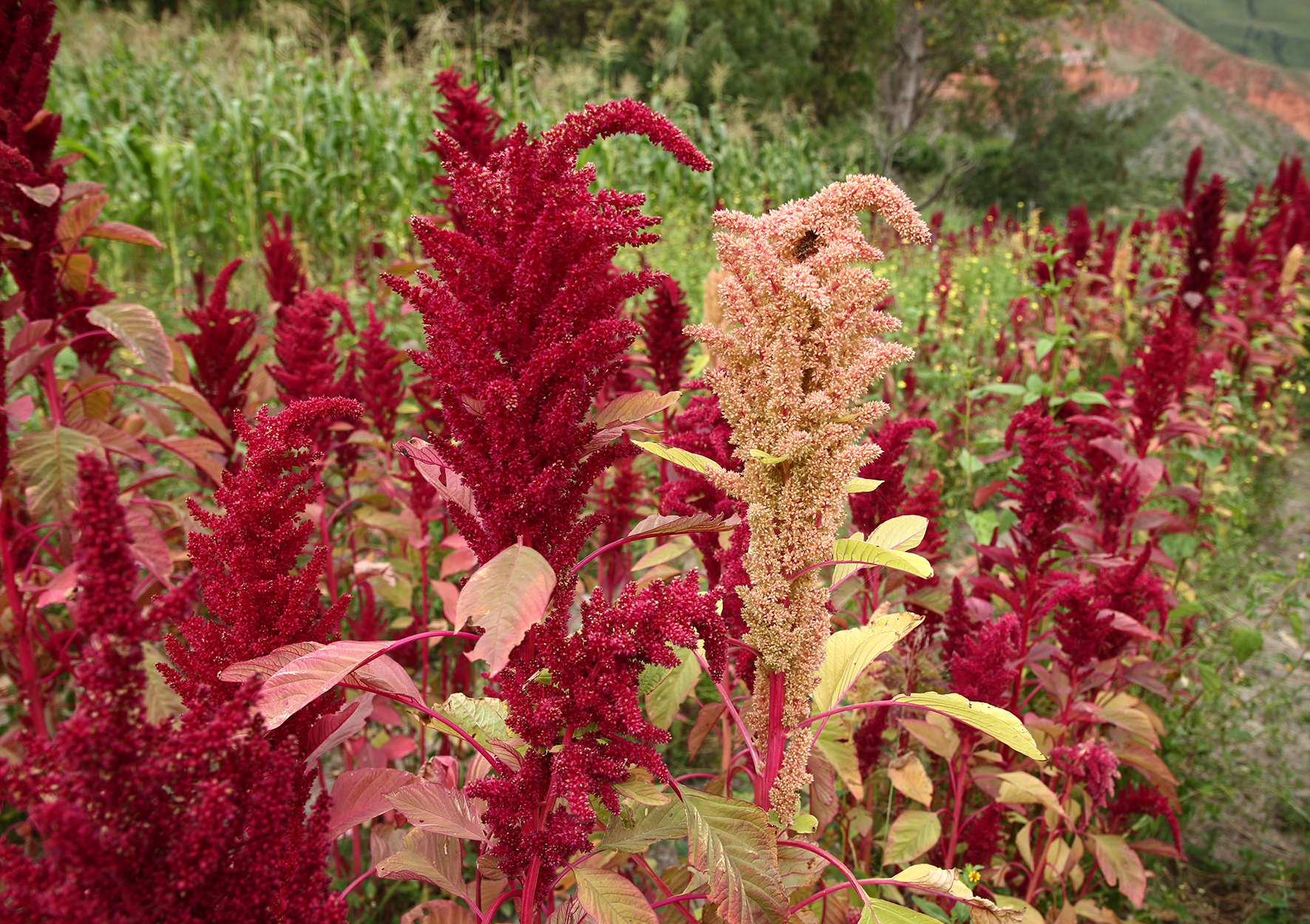
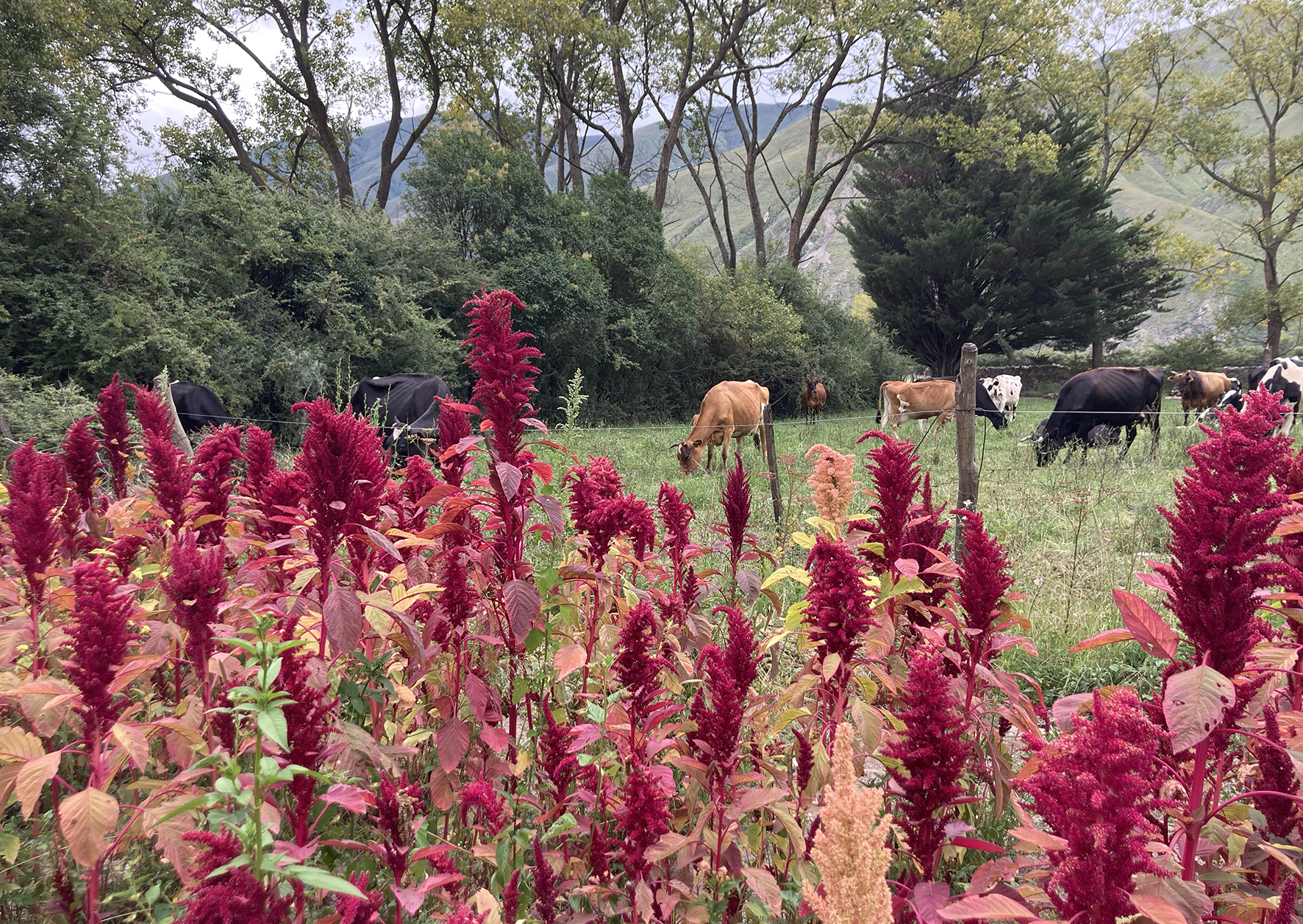
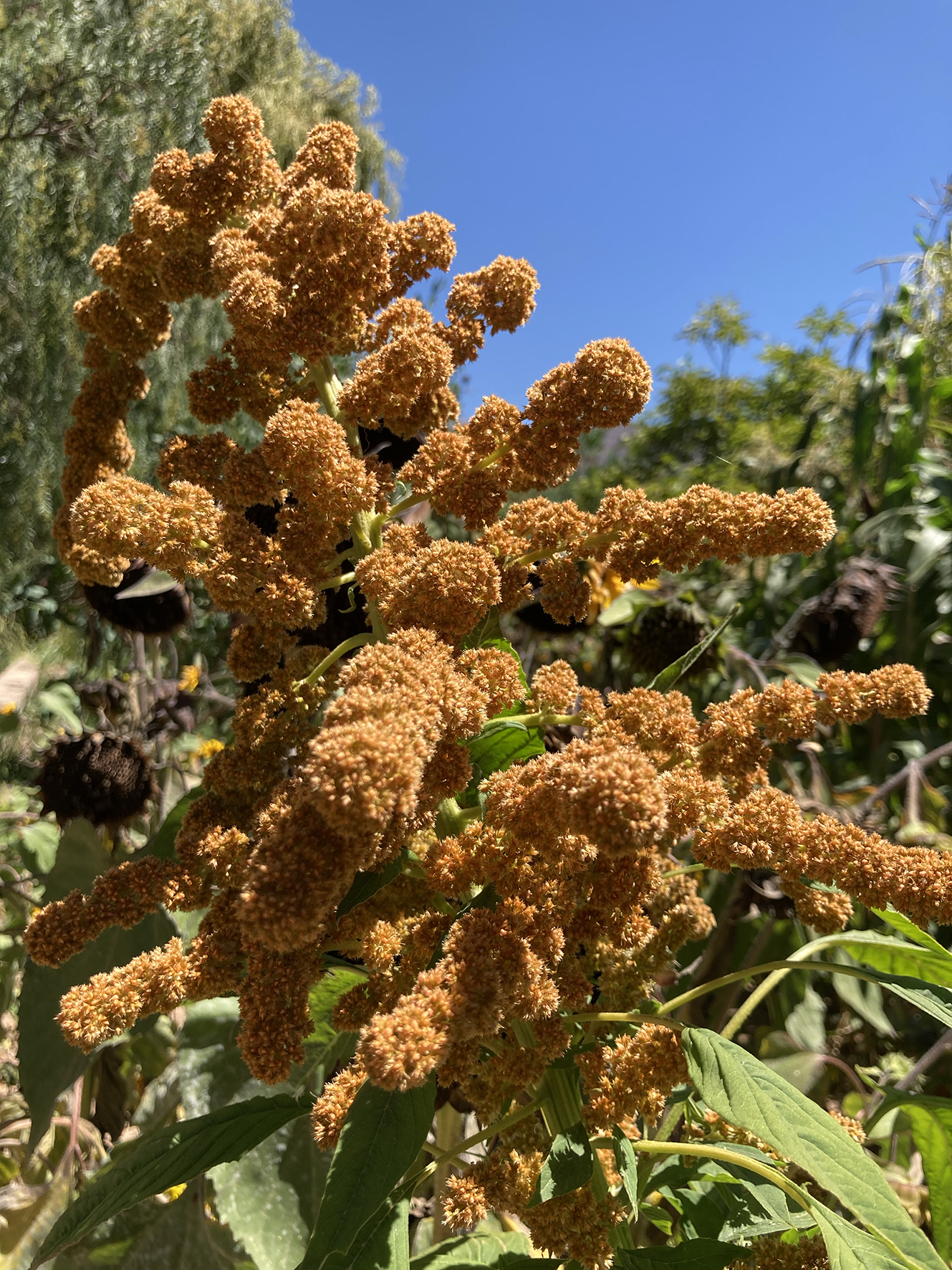
Ana is the initiator of an agroecological Amaranthus cruentus field on a small farm, with the goal of promoting the cultivation of Amaranth in the region.
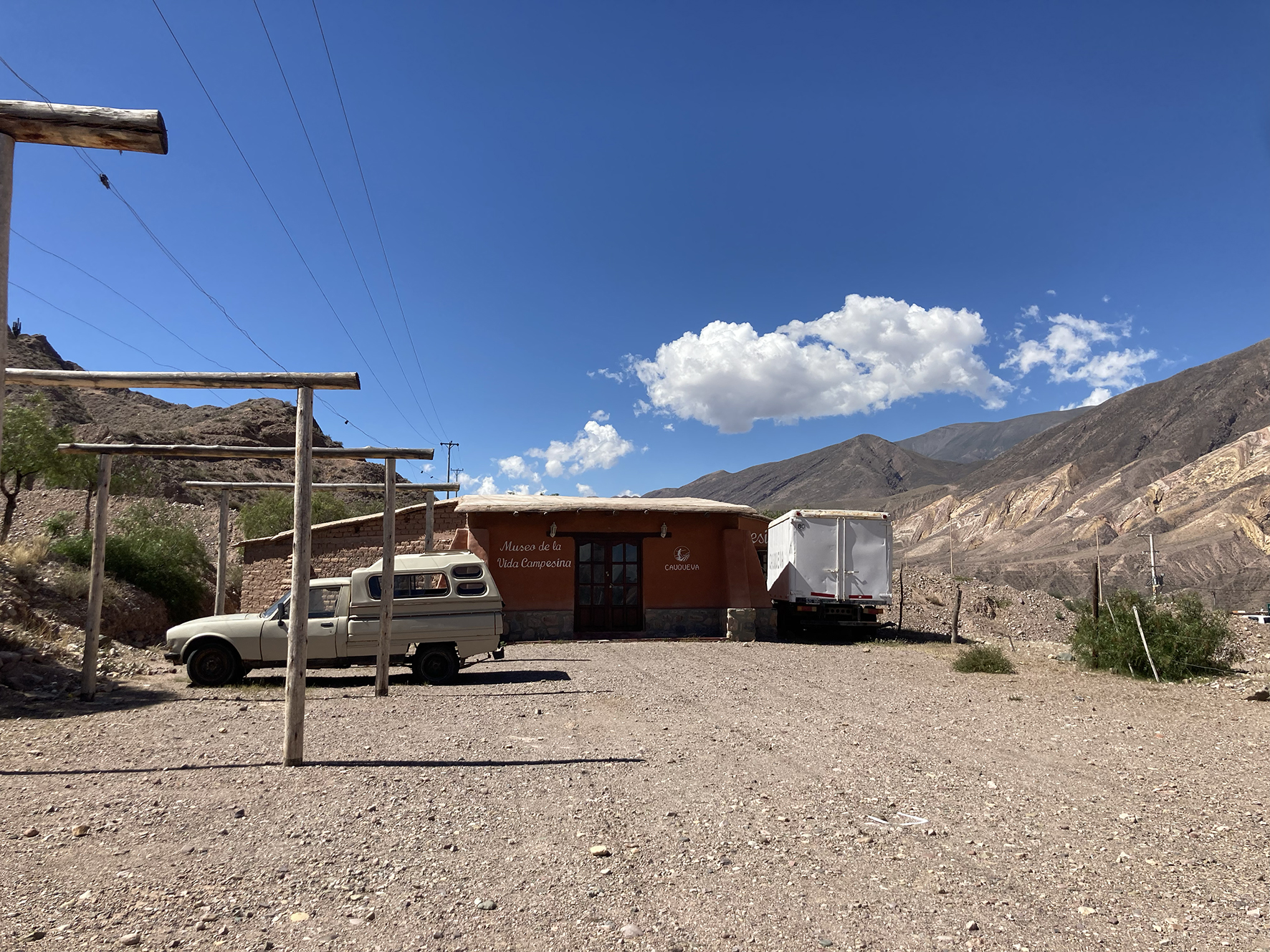
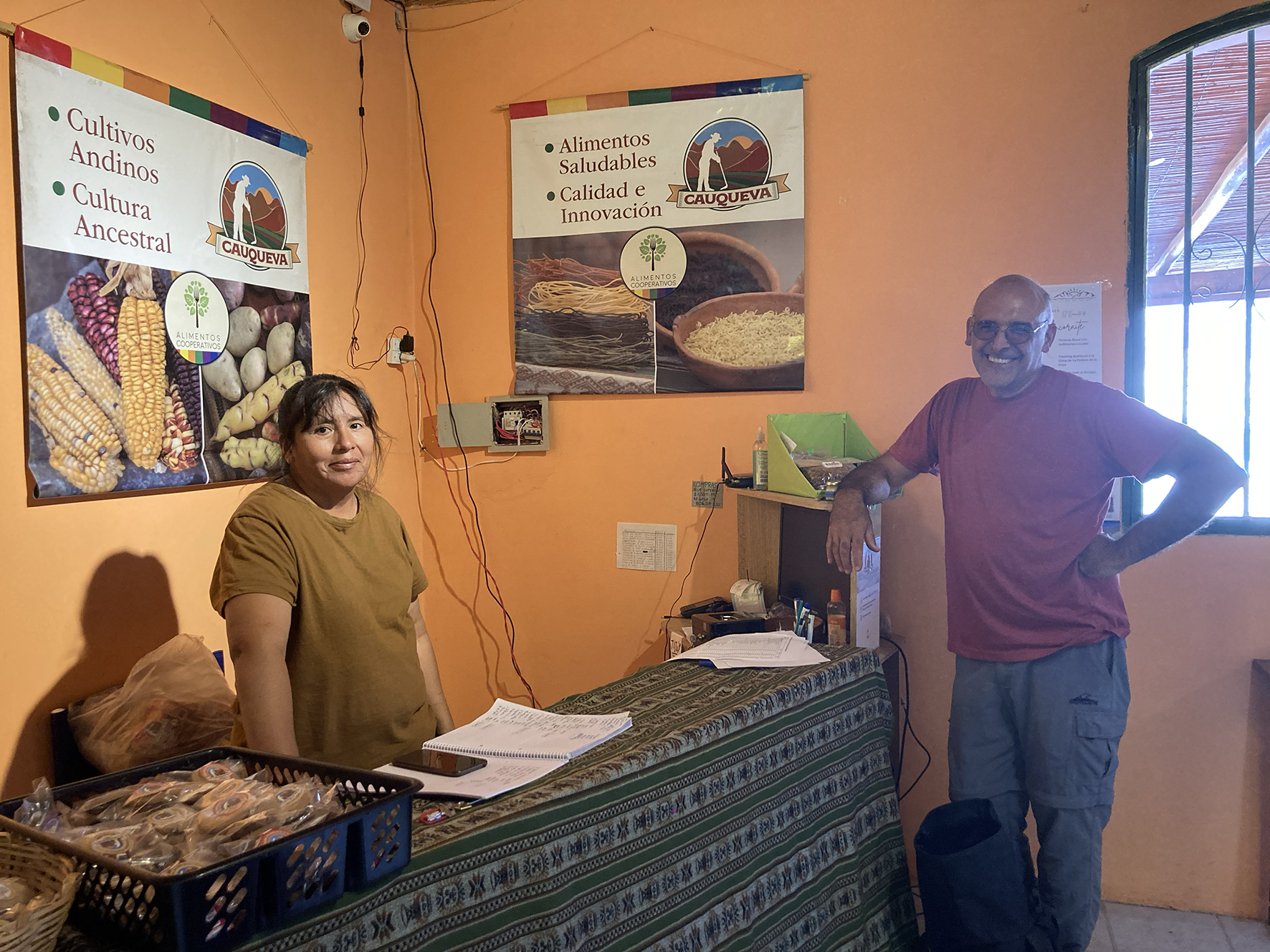
Cauqueva Cooperative, Maimara:
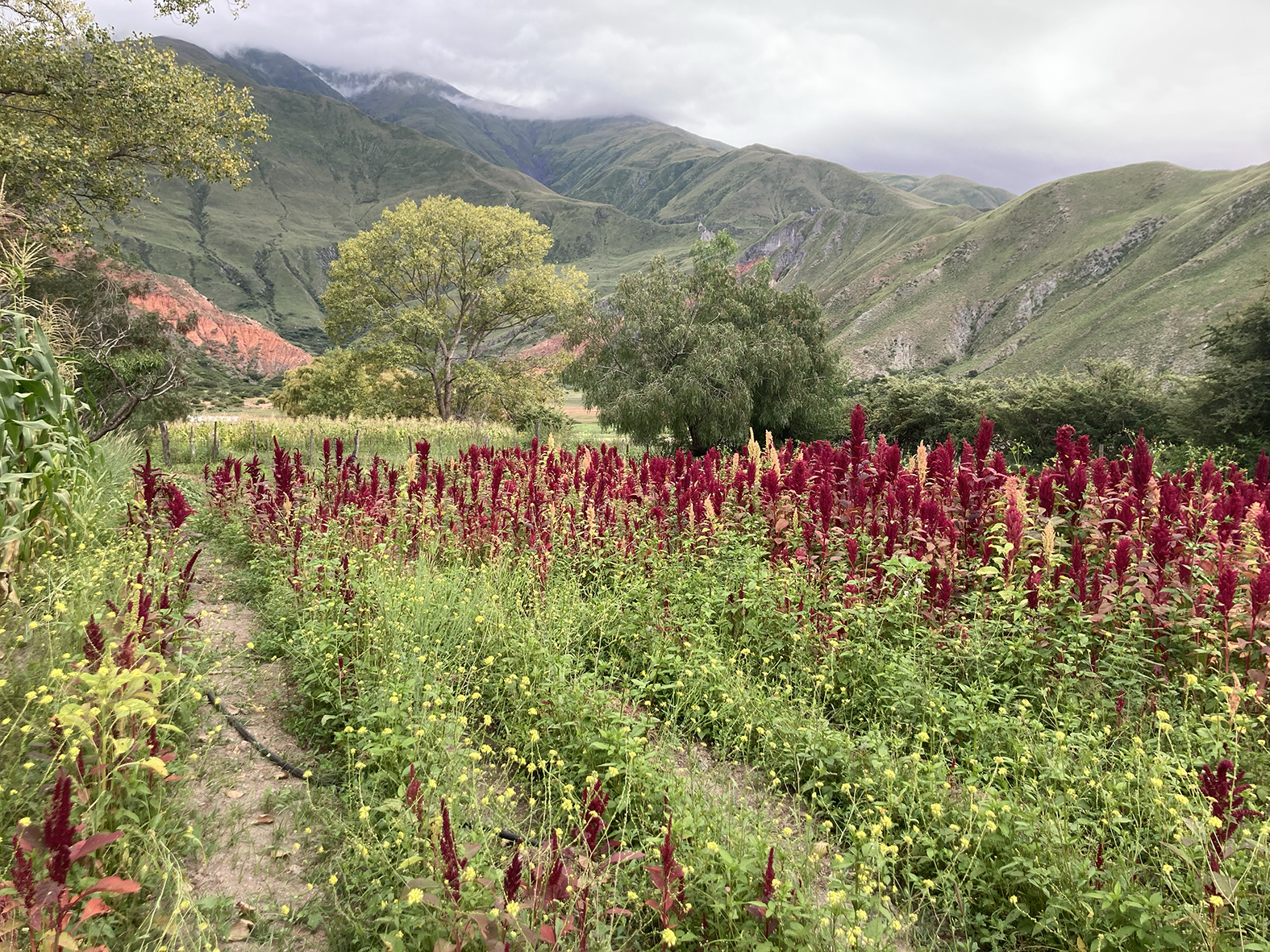
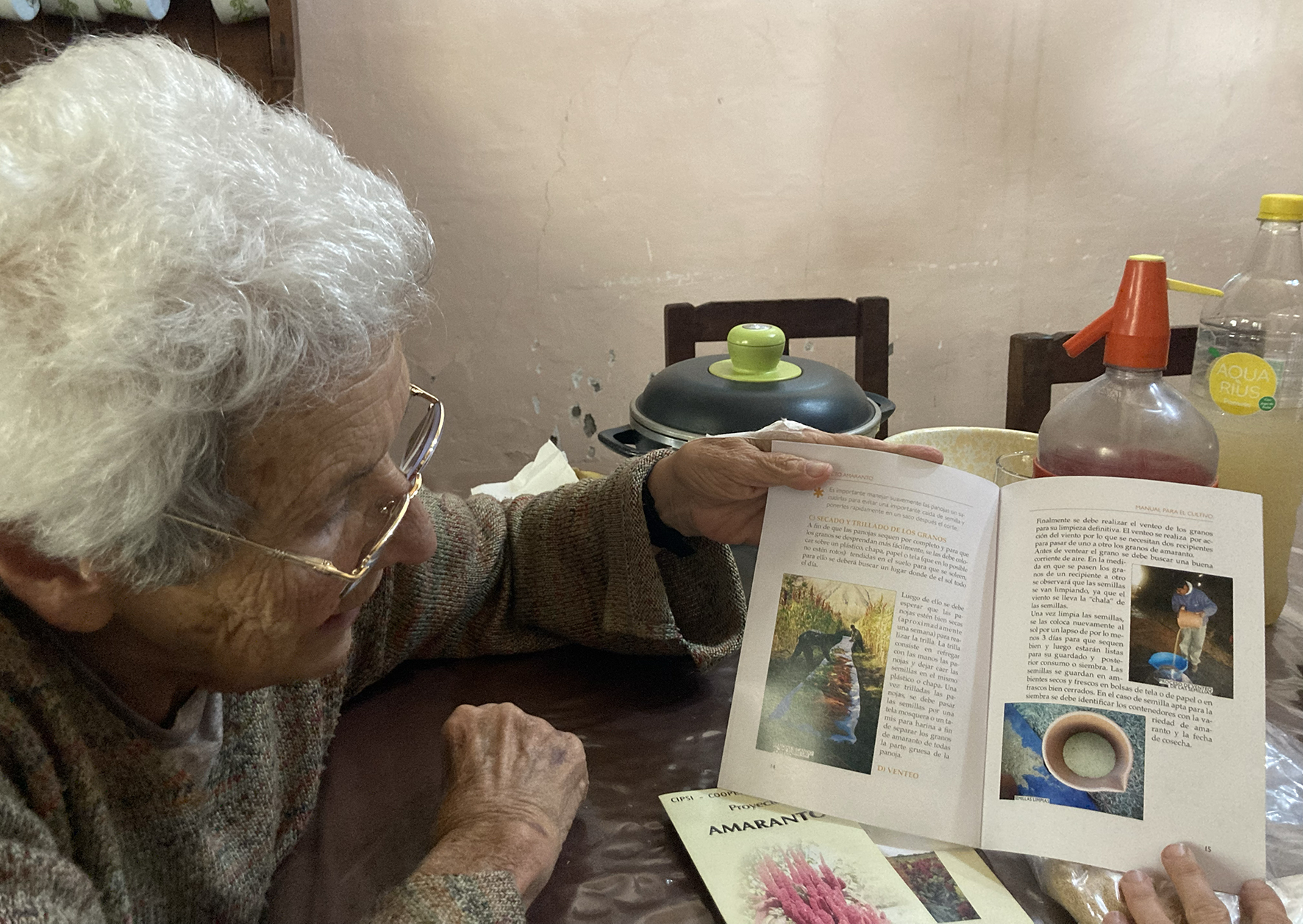
Cauqueva Cooperative brings together family and Indigenous farmers from Jujuy and seeks to conserve and promote the production of Andean crops, including Amaranth. Their project combines ancestral Andean knowledge, sustainable production, and cooperative organization, uniting peasant producers from the region.
Javier Rodríguez, Tilcara:
Agroecologist Javier Rodríguez was among the founders of Cauqueva and remains part of the cooperative. I have known him since 2010 through previous research and collaboration with Cauqueva.
Pablo Gerly, IPAF, Hornillos:
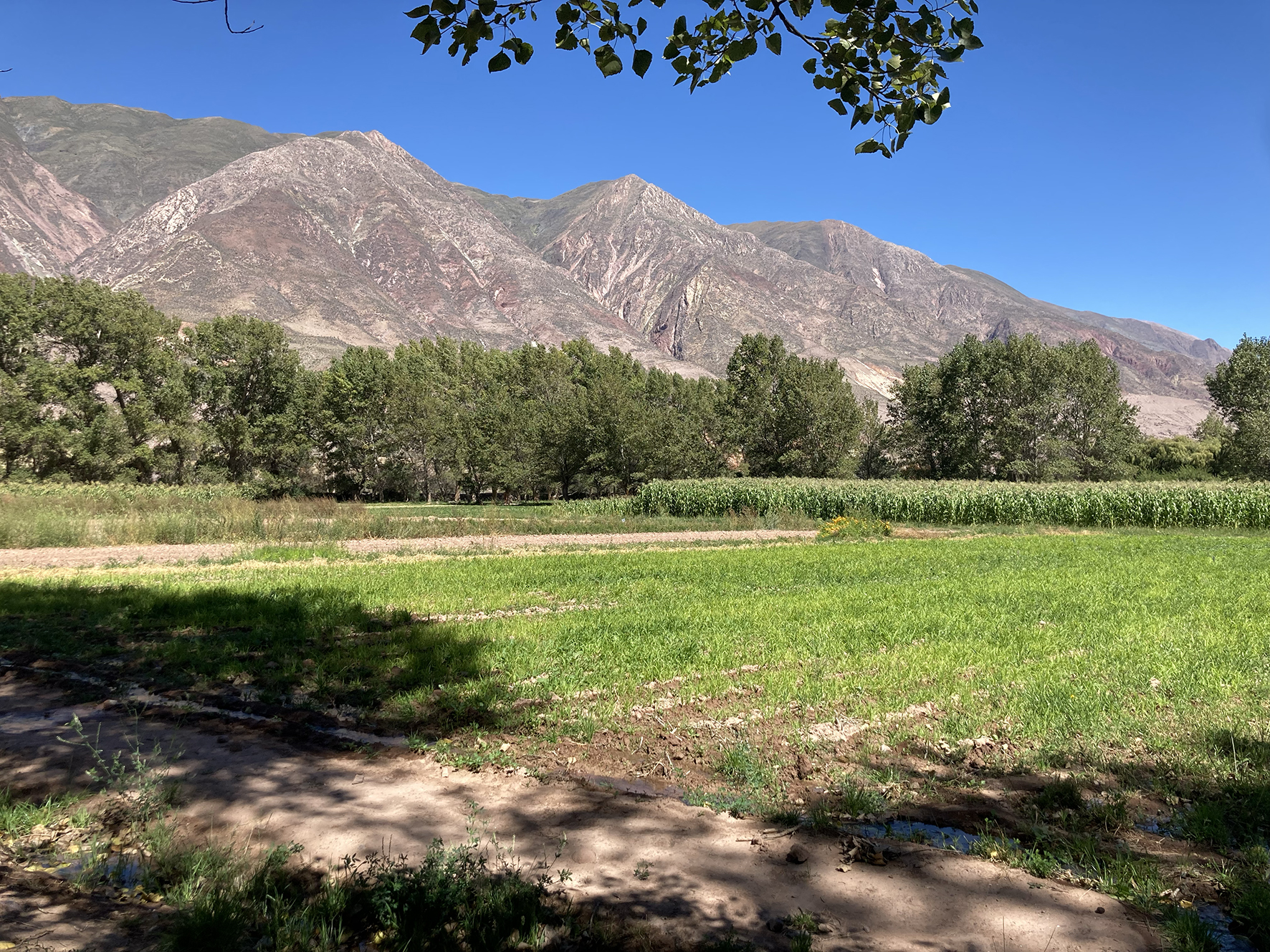
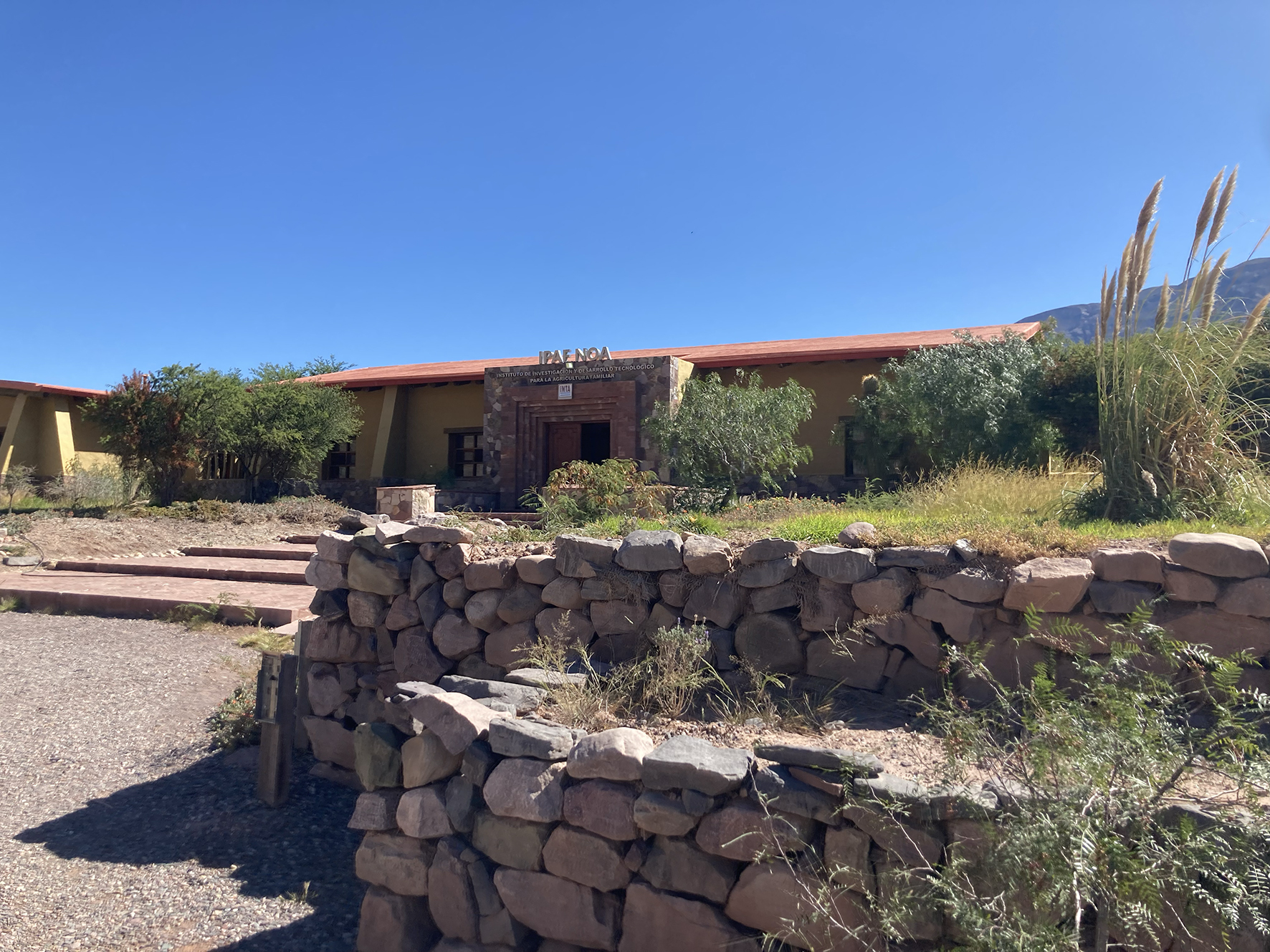
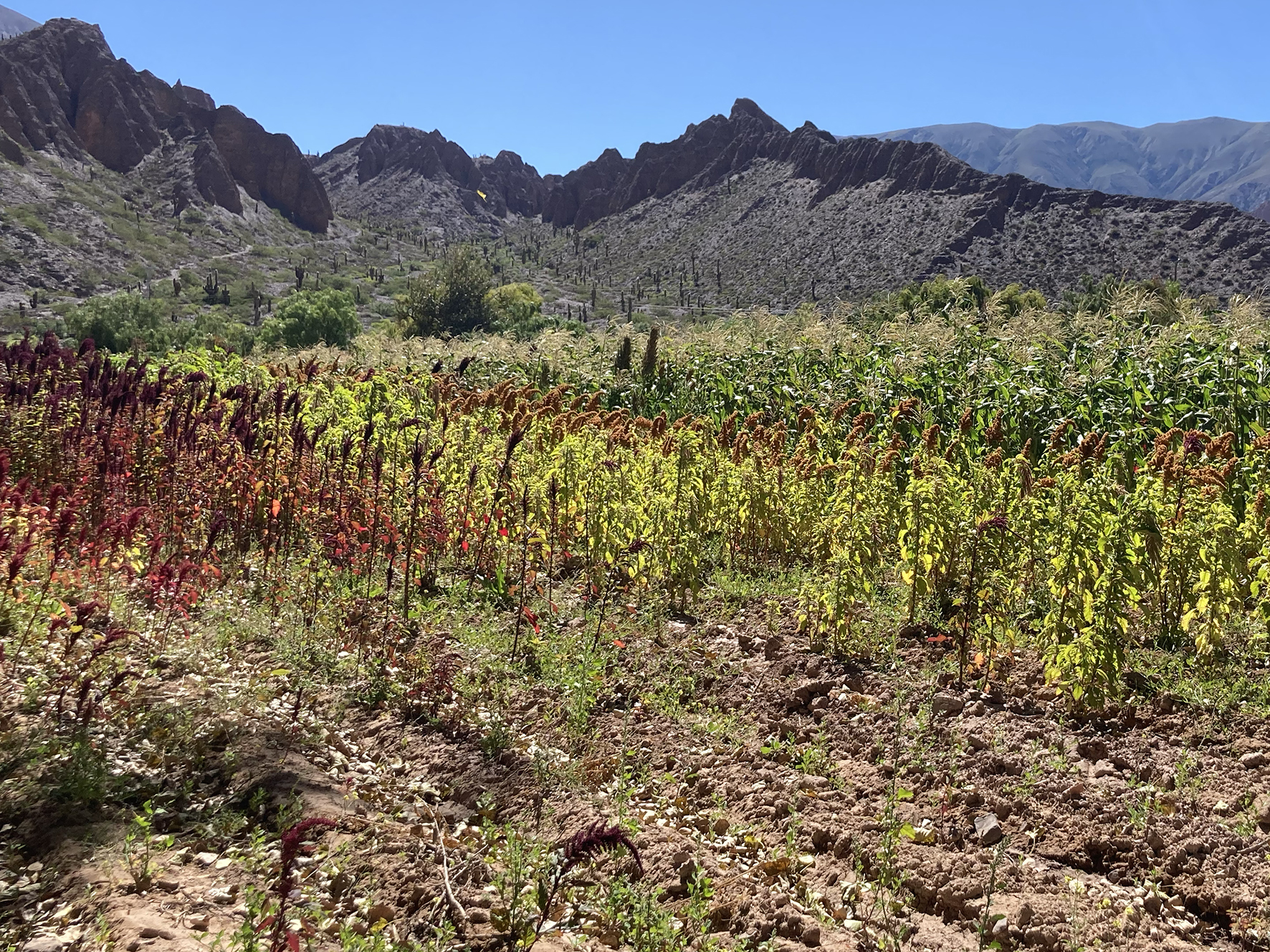
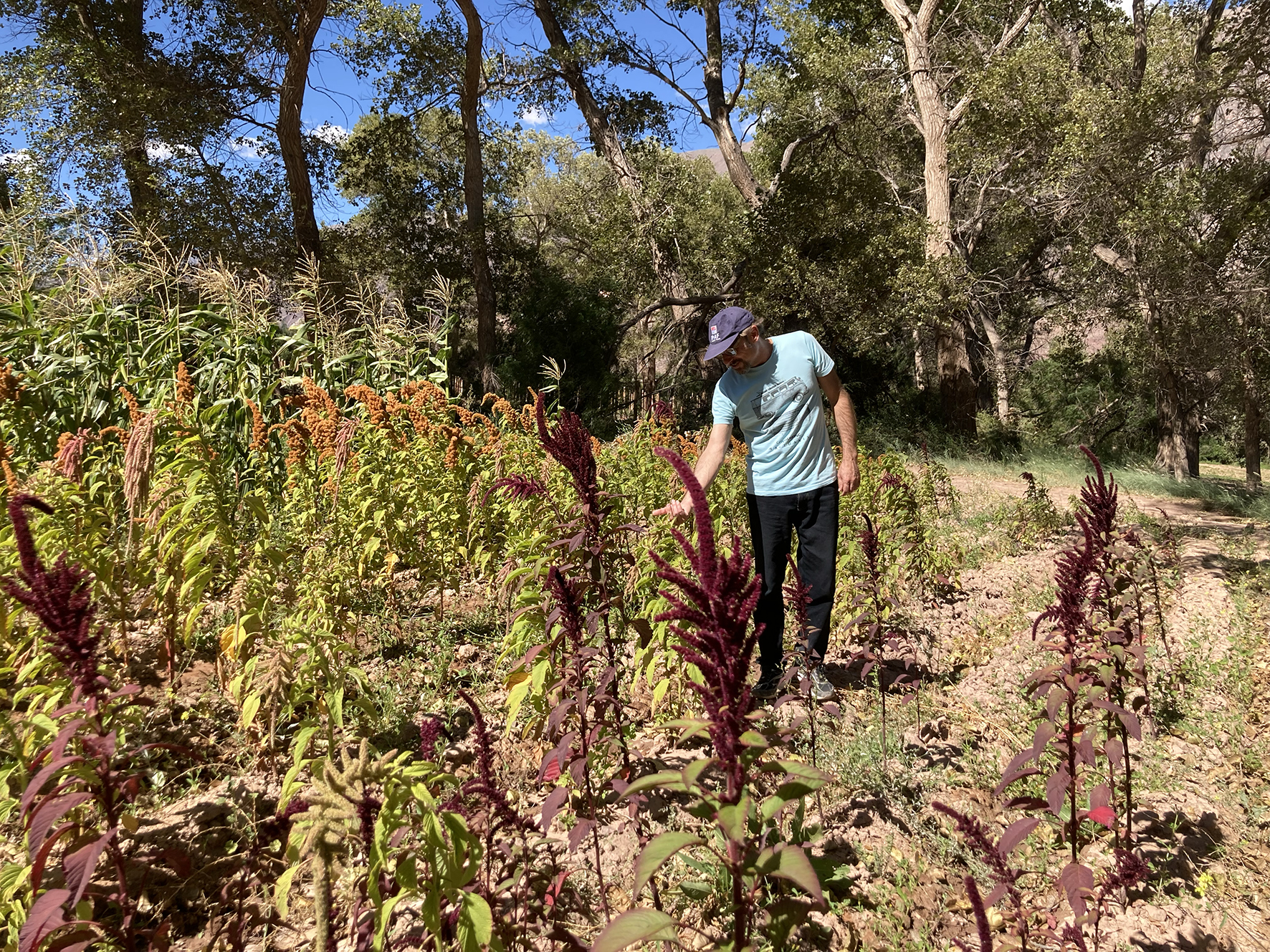
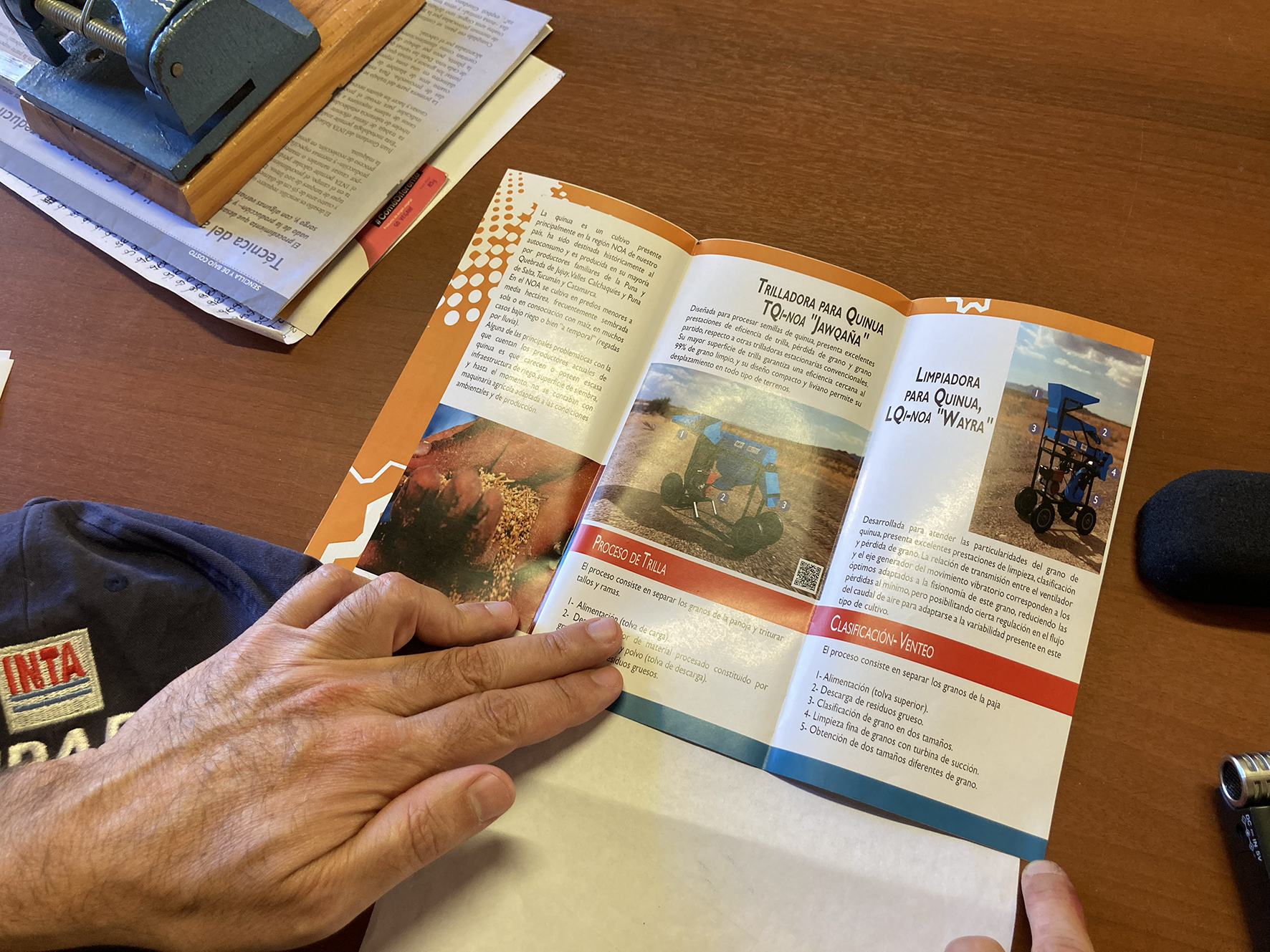
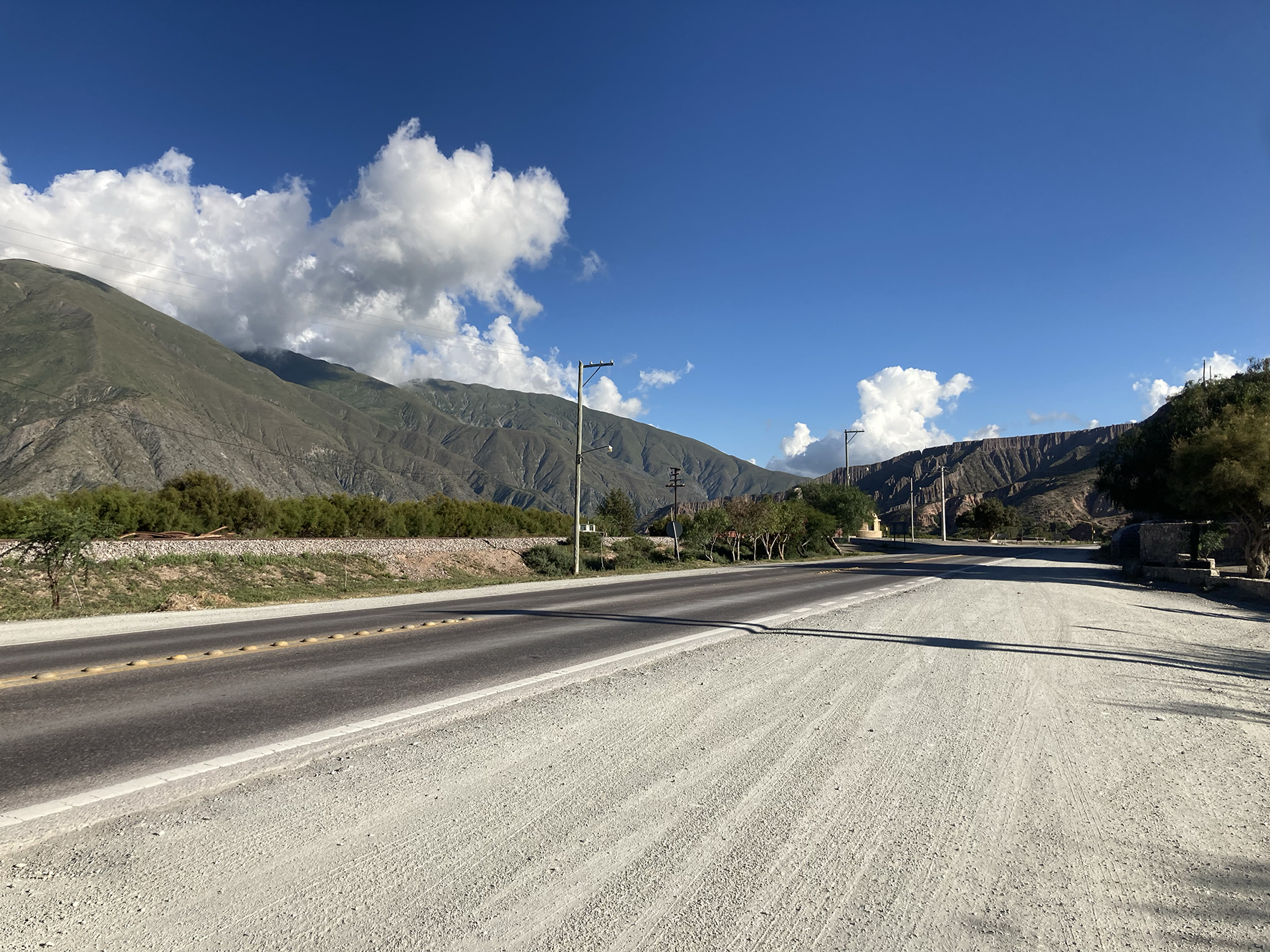
IPAF, the Instituto de Investigación y Desarrollo Tecnológico para la Agricultura Familiar (Institute for Research and Technological Development for Family Farming, NOA Region), in Hornillos, Jujuy Province, is one of the INTA (National Institute of Agricultural Technology) institutes dedicated to family farming. The institution, situated within a dreamlike landscape, has been reproducing and conserving Amaranth seeds for decades. Pablo Gerly is one of the institute's researchers who welcomed me during my first visit to IPAF.
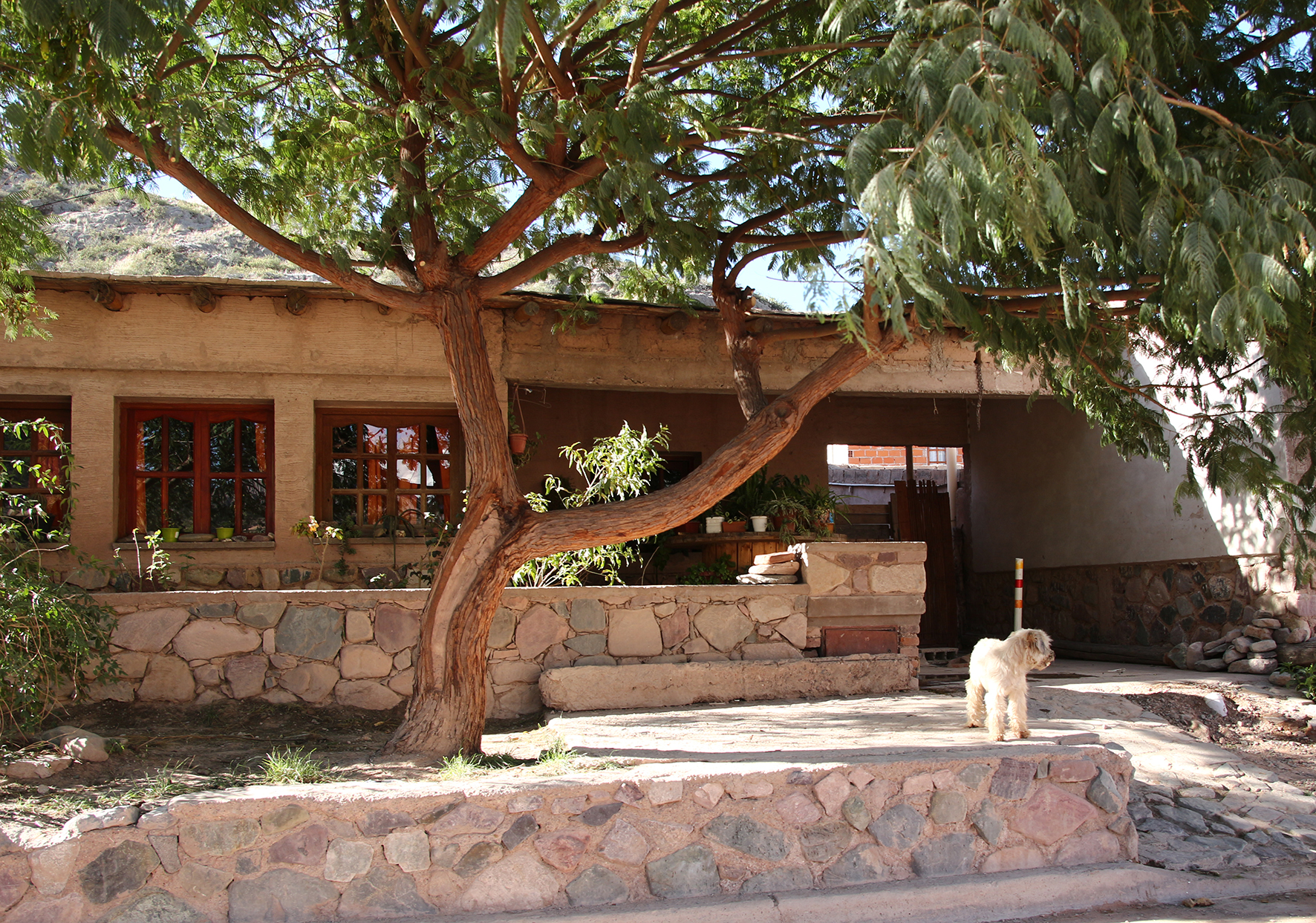
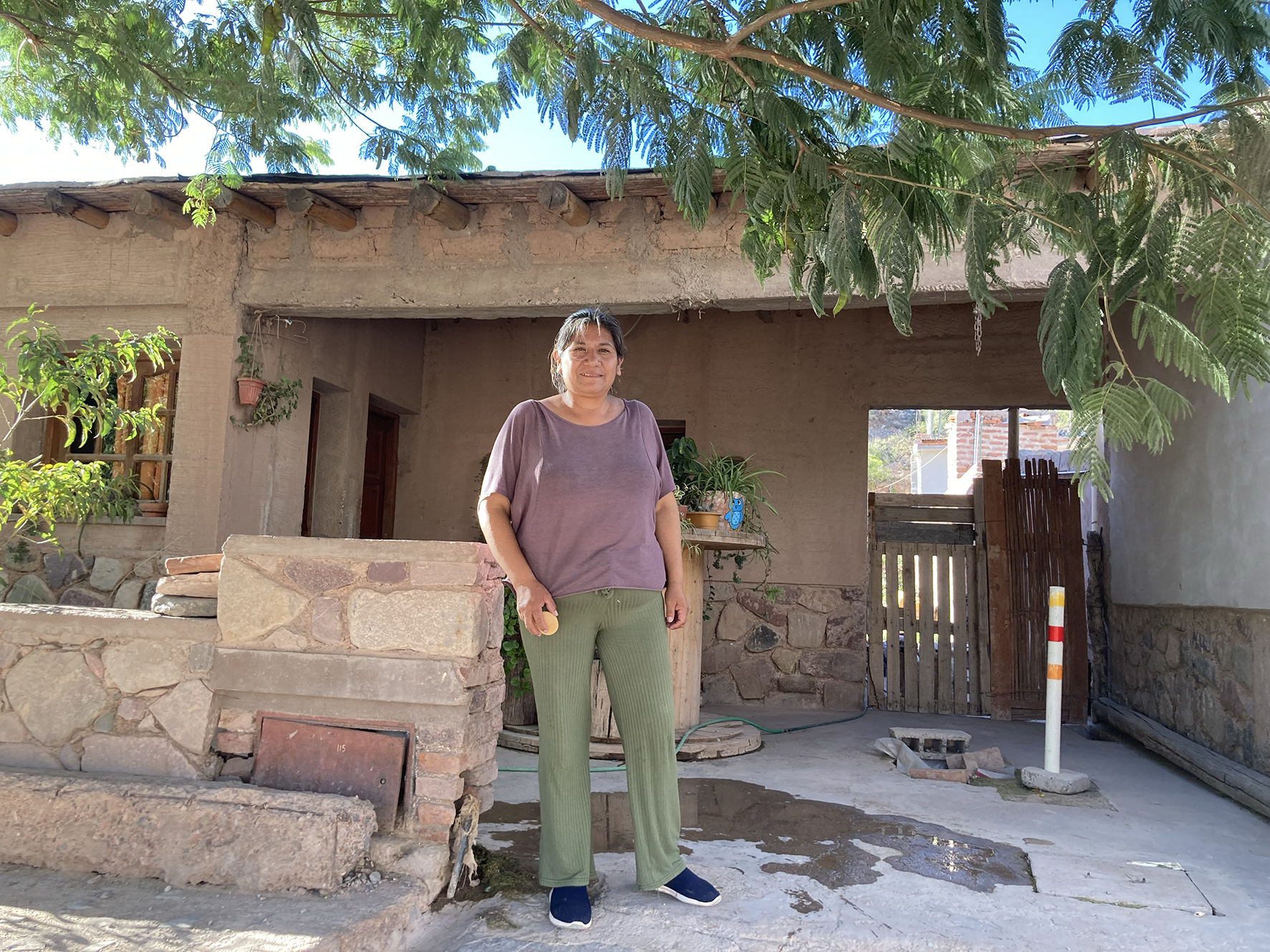
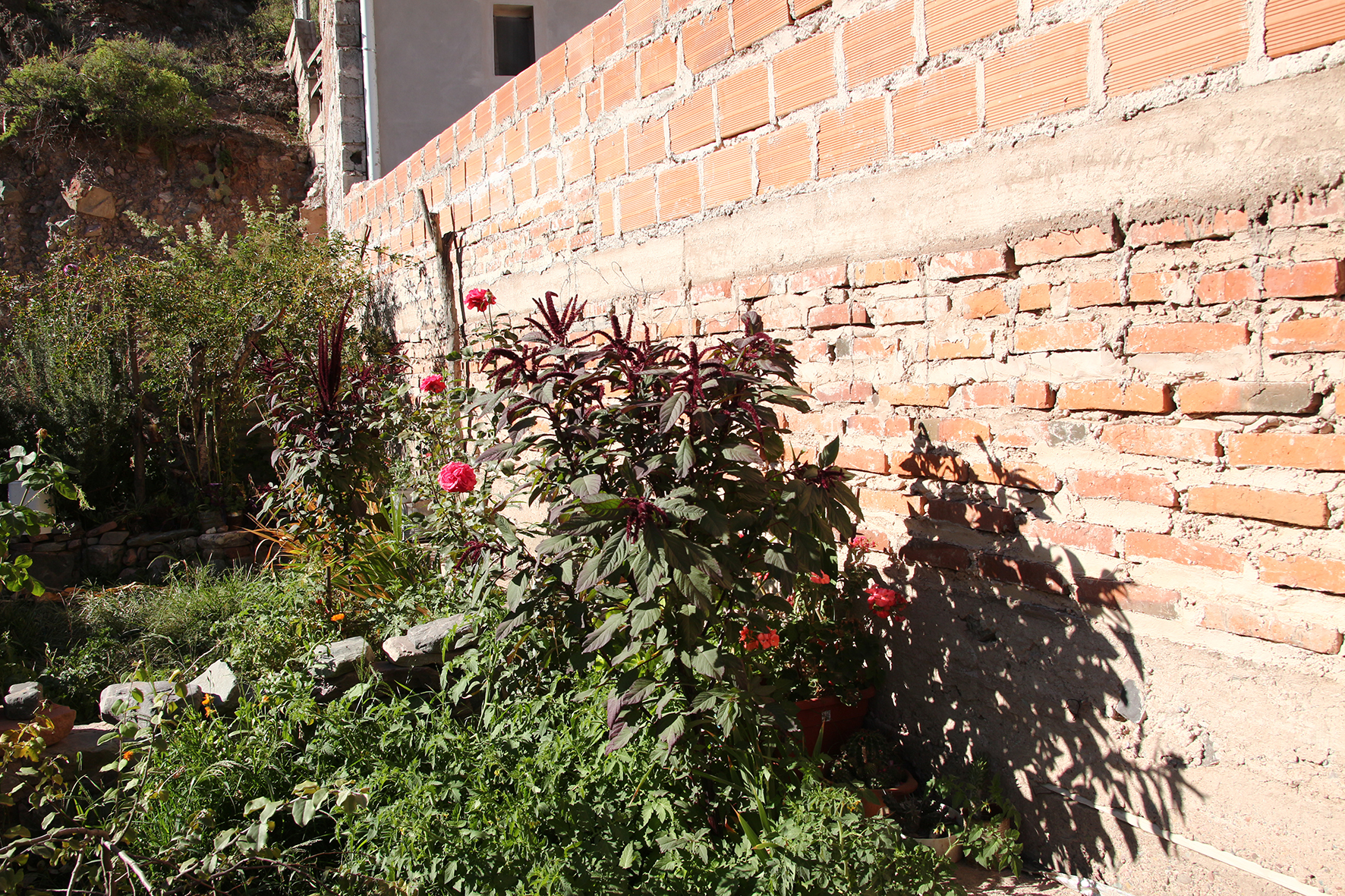
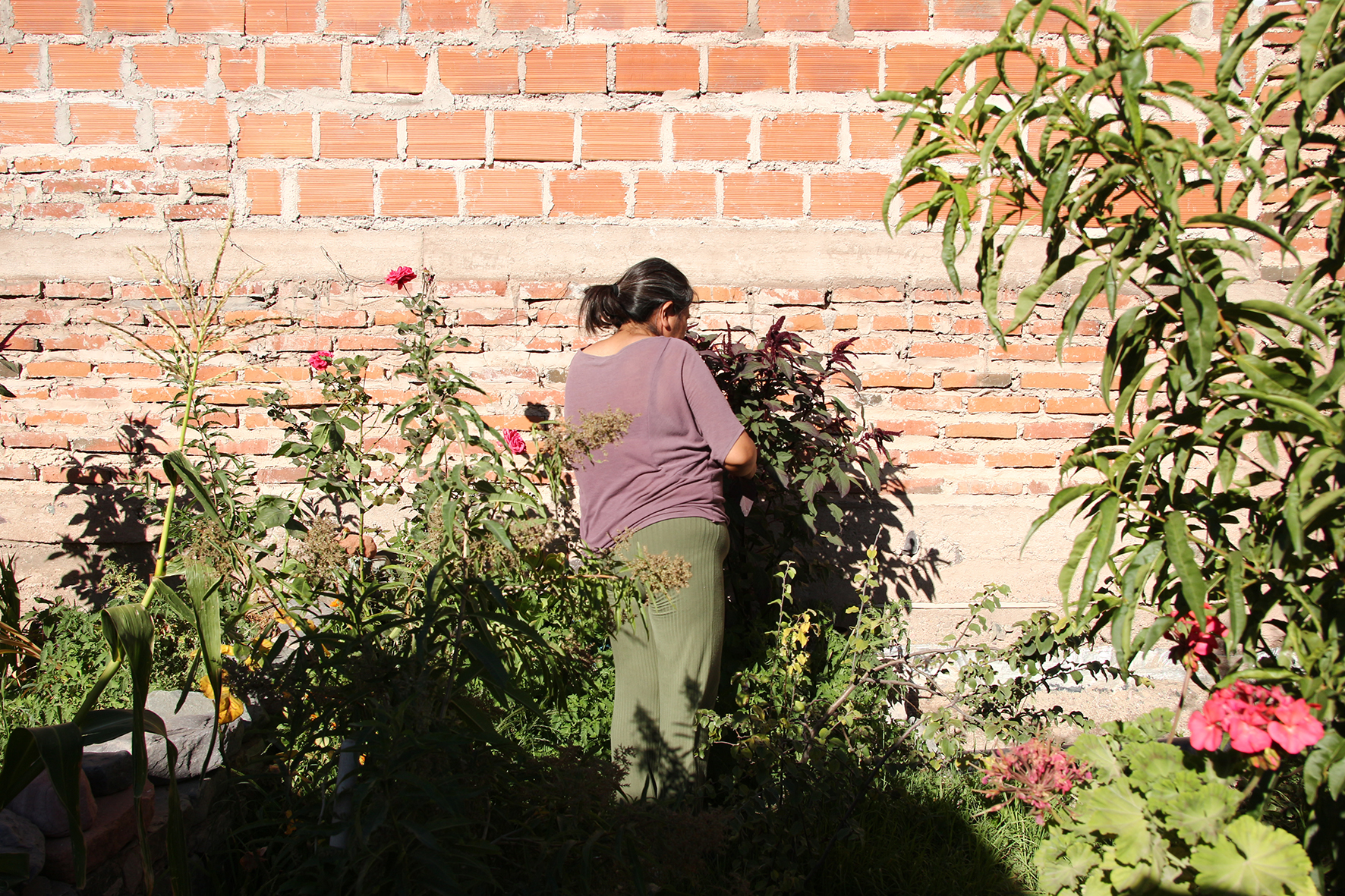
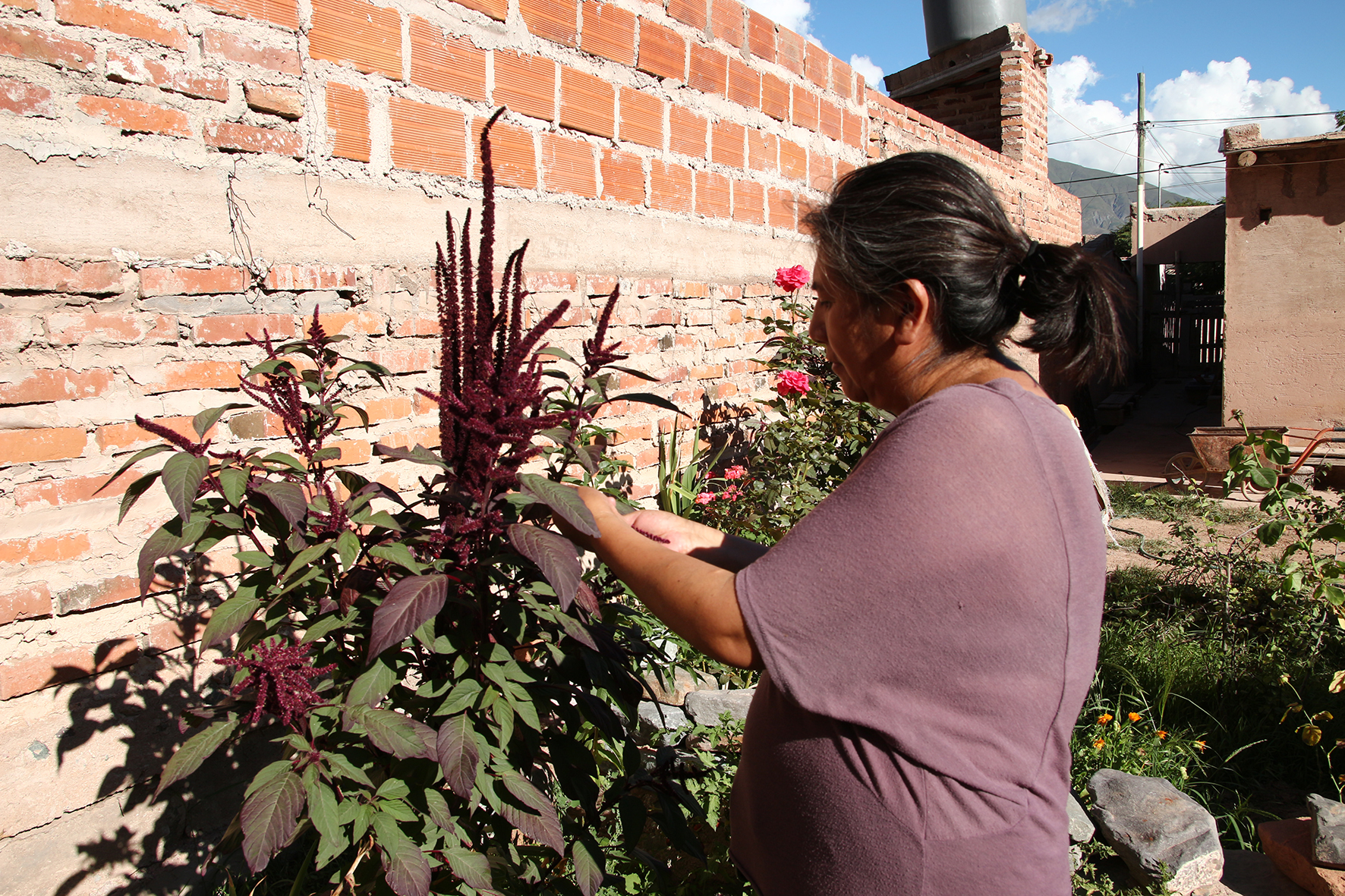
Celestina Abalos's home, Tumbaya:
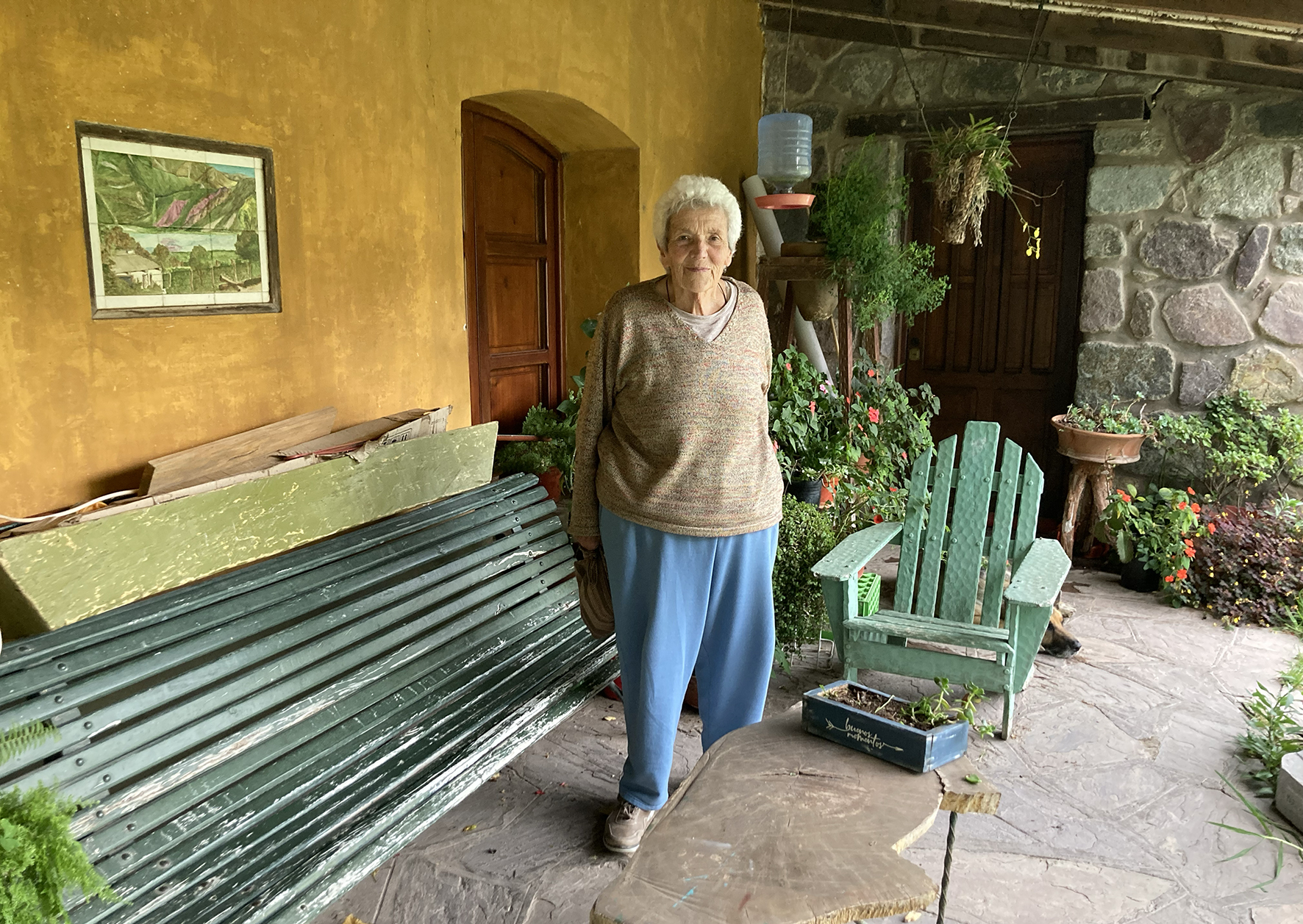
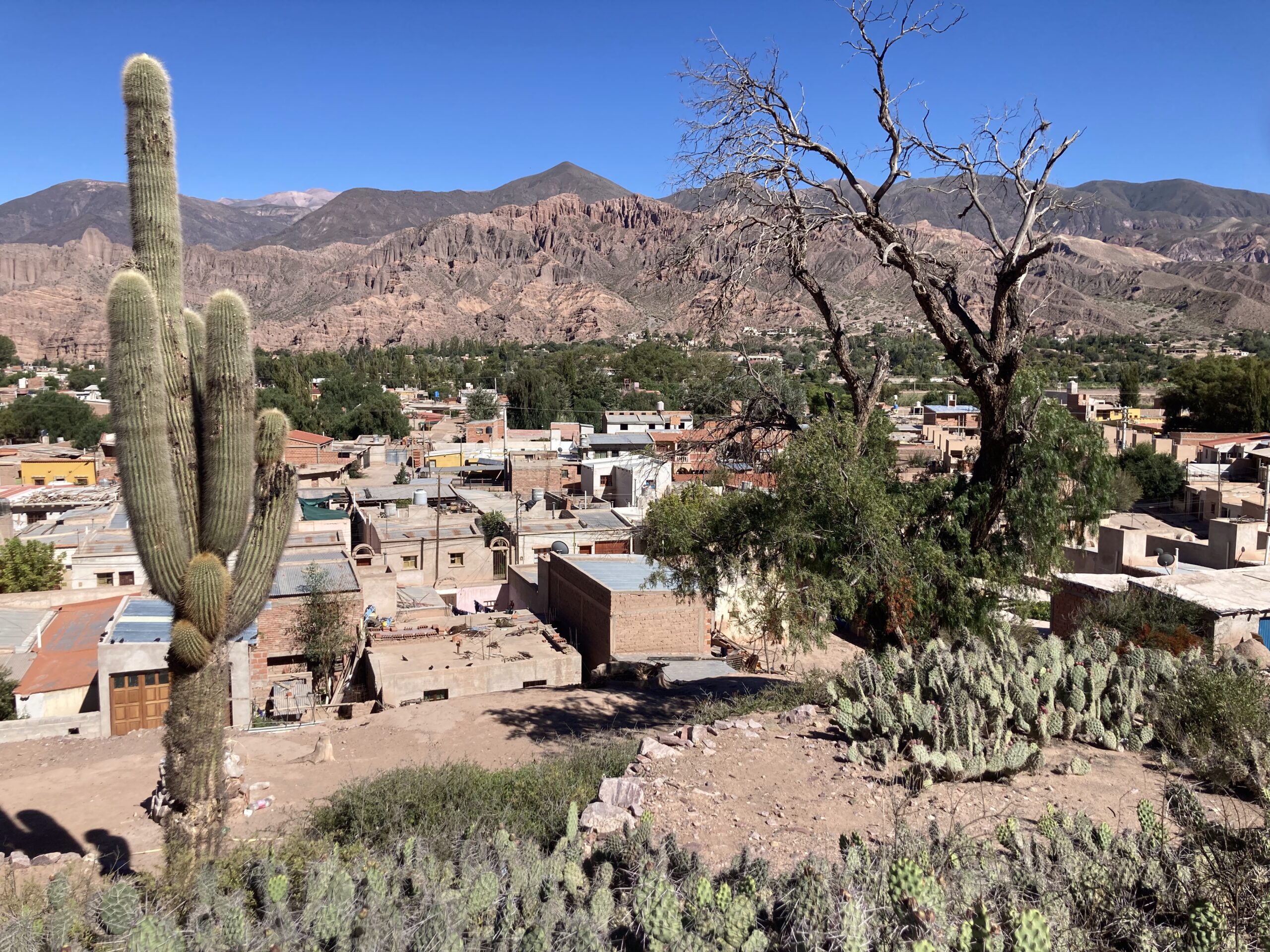
Celestina Abalos is a plant lover and teacher from Tumbaya, Jujuy Province. We met by chance after I visited Ana Barcena in Volcan. Days later, I visited her in Tumbaya to see the wild Amaranth plants growing in her garden.